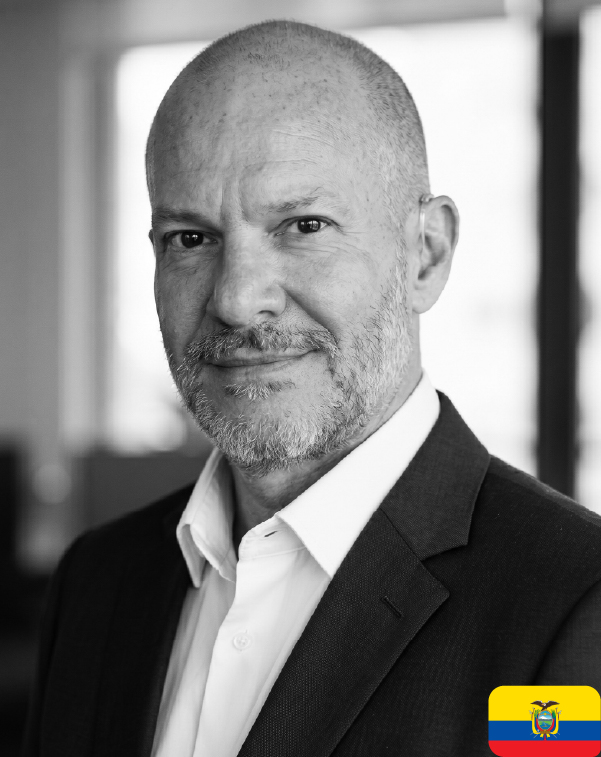
Speakers

INTERNATIONAL PARTICIPATION

A Gathering with Global Vision

BioSummit brings together scientists, researchers, authorities, and leaders from a wide range of countries, fostering the exchange of knowledge and the development of solutions to the planet's environmental challenges.

🇪🇨 🇫🇷 🇦🇷 🇺🇸 🇨🇴 🇨🇦 🇲🇽 🇧🇷 🇵🇪 🇨🇱 🇪🇸 🇧🇪 🇬🇧 🇨🇭 🇵🇭 🇩🇰 🇰🇪 🇷🇼
Ecuador • France • Argentina • United States • Colombia • Canada • Mexico • Brazil • Peru • Chile • Spain • Belgium • United Kingdom • Philippines • Denmark • Kenya • Rwanda
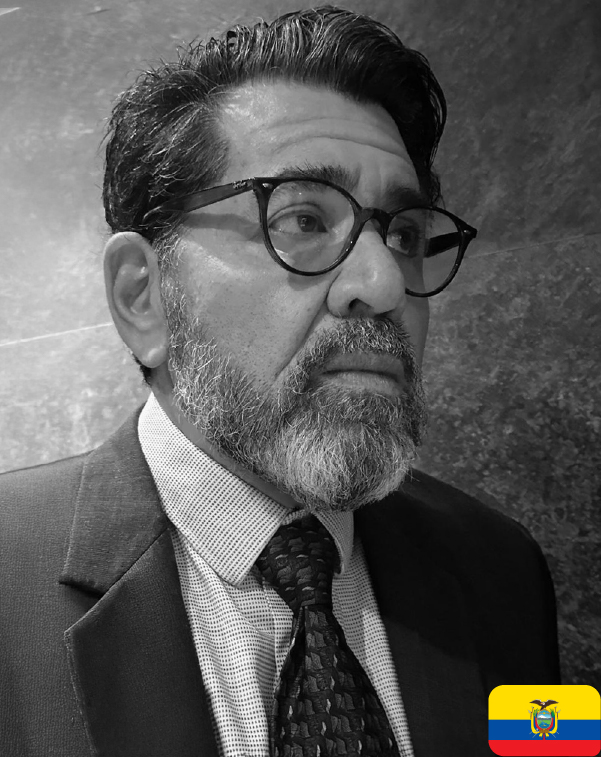
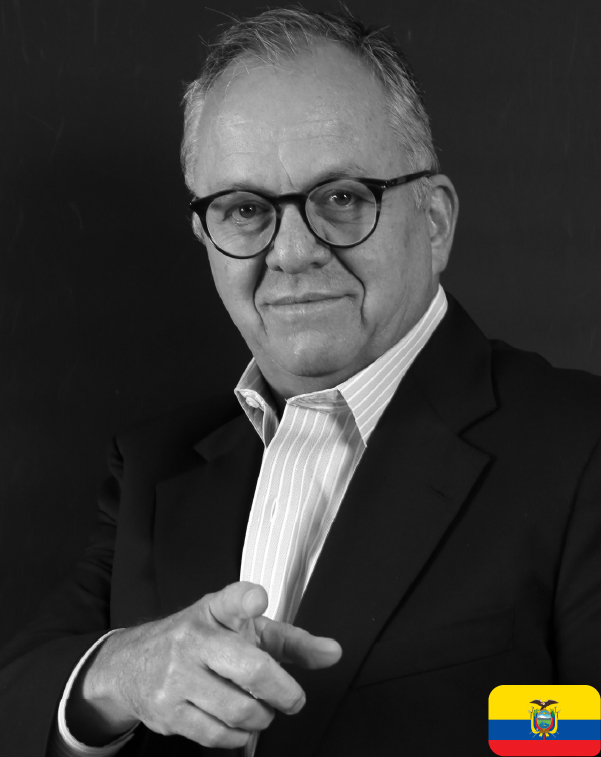
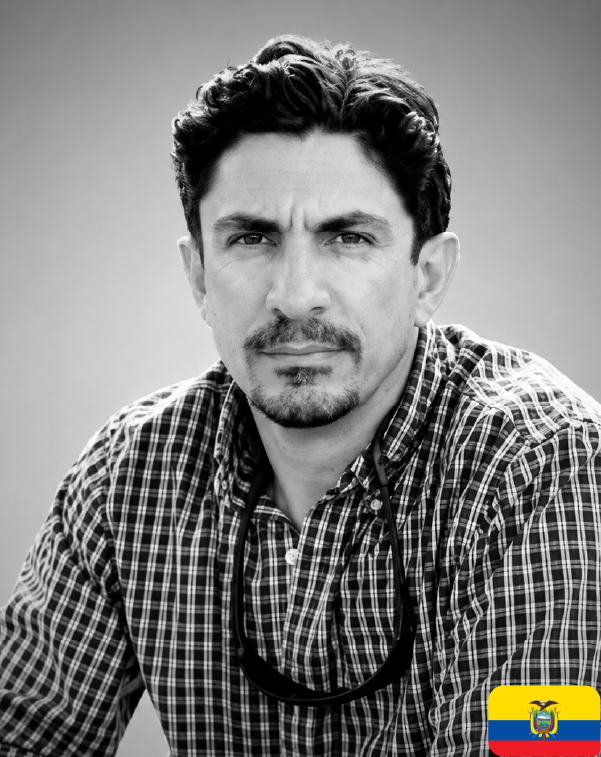
Marcelo Salame
Ecuador

Director of BioSummit, President of the Ecuadorian Carbon and Biodiversity Association, and CEO of Placis. Scientist and Biodiversity Strategist. His work integrates science, innovation, and ancestral knowledge to turn biodiversity into an engine of sustainable development. He has led initiatives connecting conservation with bioeconomy and productive transformation. His vision positions nature as a strategic advantage for the future. He combines systemic thinking with applied solutions to scale impact. At BioSummit he will bring a transformative outlook on regeneration and nature-based innovation.
Marcelo J. Salame Director of BioSummit, President of the Ecuadorian Carbon and Biodiversity Association, CEO of Placis. Scientist and Biodiversity Strategist.
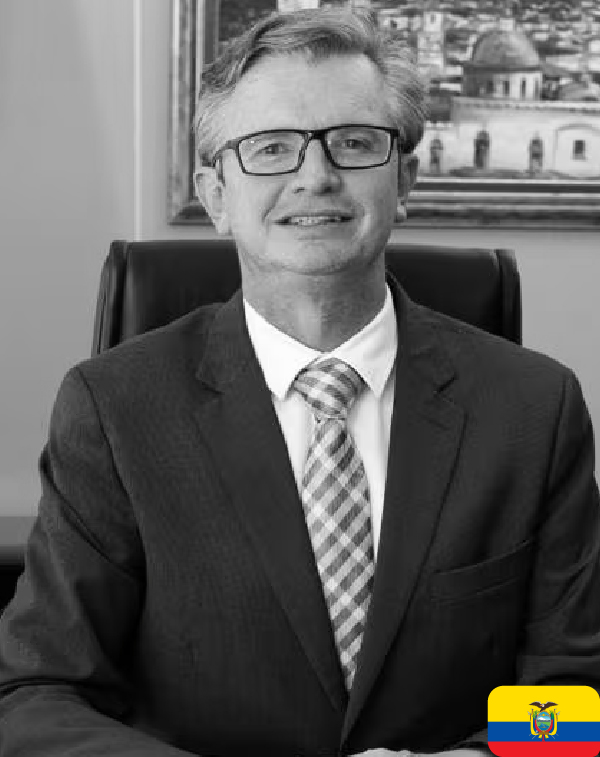
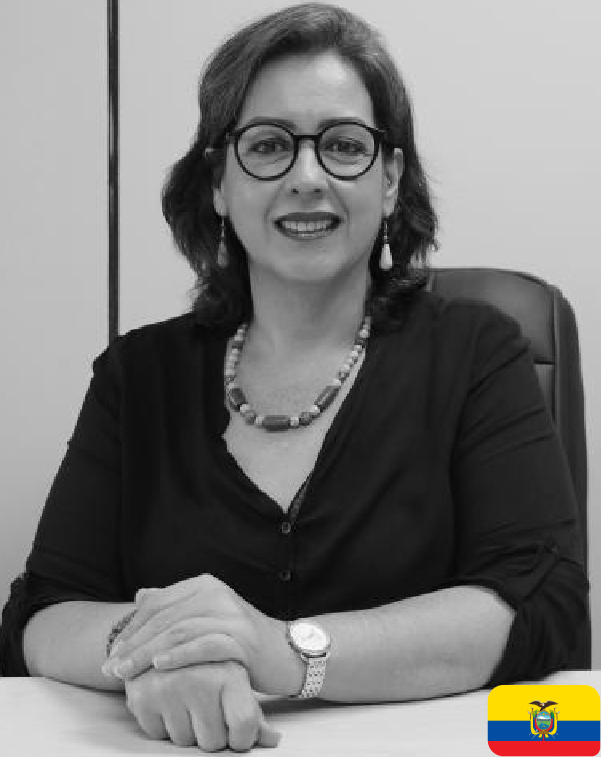
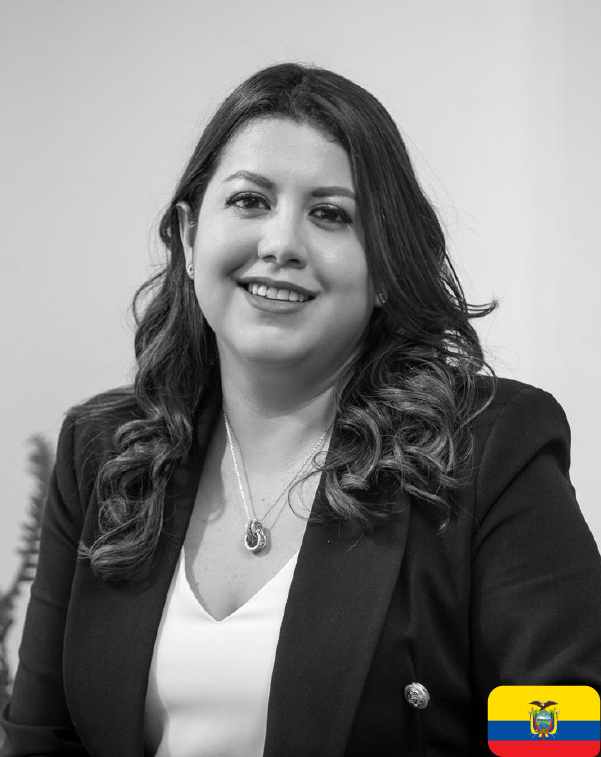
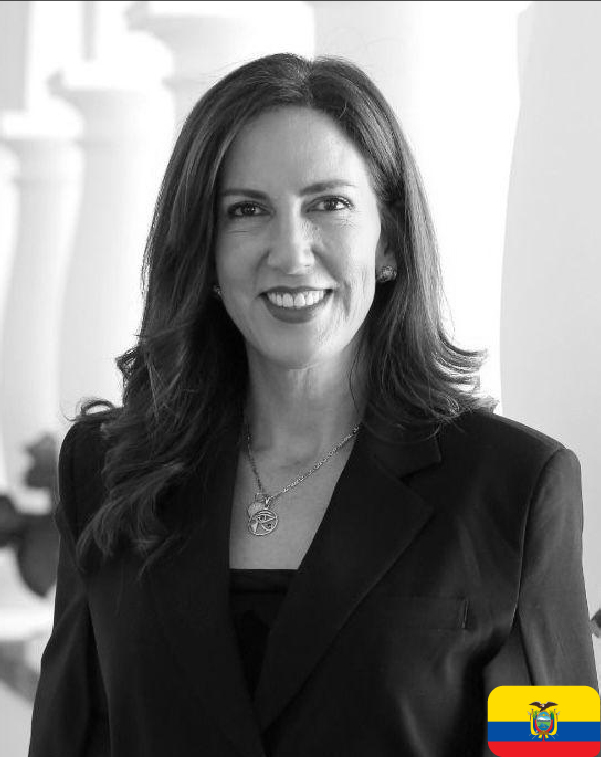
Alicia Jaramillo Cabo, MSc.
Ecuador

Ecuadorian marine biologist and strategic environmental management specialist, with more than 18 years of experience in sustainability, eco-efficiency, and environmental management. She currently serves as Vice Minister of Environment and Marine-Coastal Affairs of Ecuador, leading policies and initiatives focused on biodiversity conservation, sustainable development, and climate action. She holds a master's degree in Environmental Management and training in sustainable finance, integrating technical, economic, and public-policy approaches for environmental decision-making. Throughout her career she has led multisector projects related to environmental studies and audits, hazardous-waste management, binational watershed management, environmental education, and the optimization of production processes under sustainability criteria. At BioSummit she will share perspectives on biodiversity conservation, environmental management, and strengthening public policy to drive sustainable, resilient development.
Alicia Jaramillo, MSc. Vice Minister of Environment and Marine-Coastal Affairs | Ministry of Environment, Water, and Ecological Transition of Ecuador
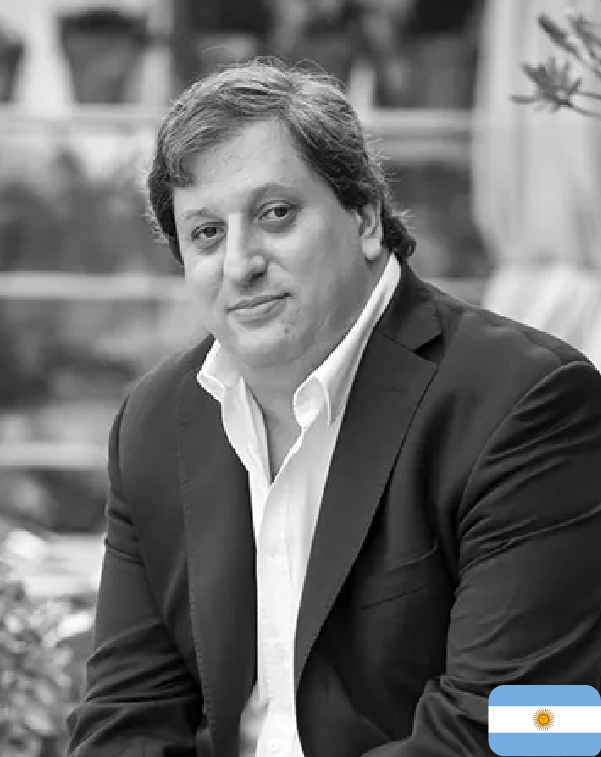
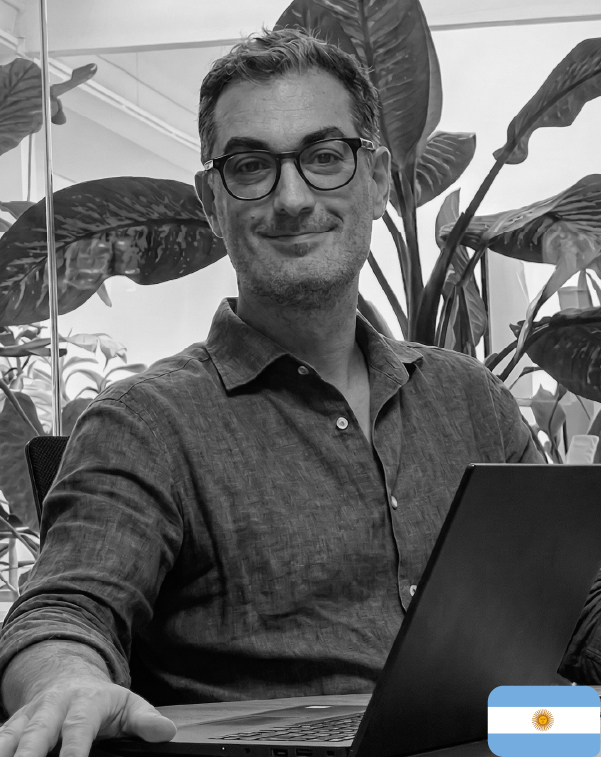
Luis Liberman
Argentina

Argentine anthropologist and educator, internationally recognized for his work on the human right to water, integral ecology, and sustainable development. He is rector of the University Institute of Water and Sanitation (UIAS) and founder of the Institute for Global Dialogue and the Culture of Encounter. His career connects sustainability, social inclusion, and environmental governance from a humanist vision inspired by the principles of integral ecology. He has taken part in international initiatives related to water access, ecosystem protection, and the development of more resilient development models. His approach integrates social justice, sustainability, and cooperation to address contemporary global challenges.
Luis Liberman Anthropologist, educator, and rector of the University Institute of Water and Sanitation (UIAS)
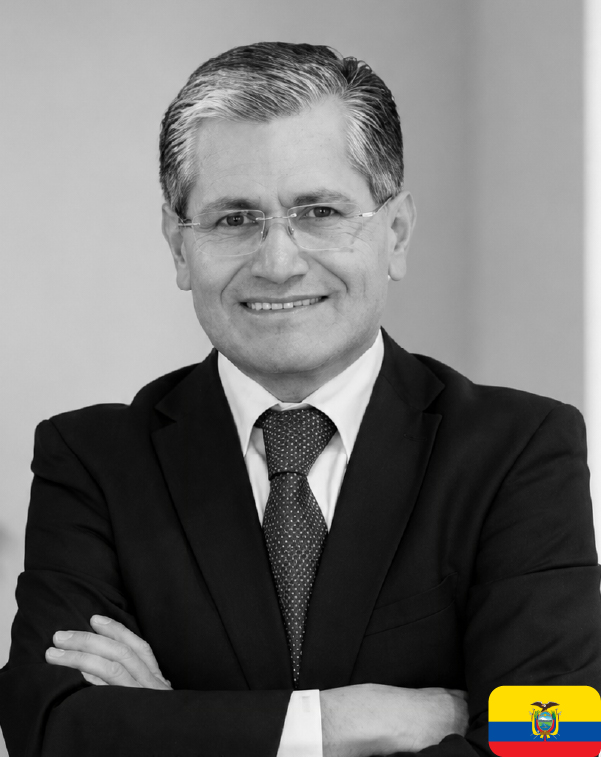
Alberto Dahik
Ecuador

Economist and former Vice President of the Republic of Ecuador, recognized as one of the most influential voices in economic analysis and public policy in the region. His career has been marked by his contribution to the debate on development, structural reforms, and competitiveness. From an economic-thinking standpoint, he has contributed to discussions on fiscal sustainability, productivity, and economic futures. His approach connects public policy, markets, and development from a strategic, long-term perspective. He brings a key perspective on economy, governance, and the challenges facing more resilient productive models. At BioSummit he will share reflections on economic development and opportunities for a sustainable transition.
Ec. Alberto Dahik Former Vice President of the Republic of Ecuador – former Minister of Finance.
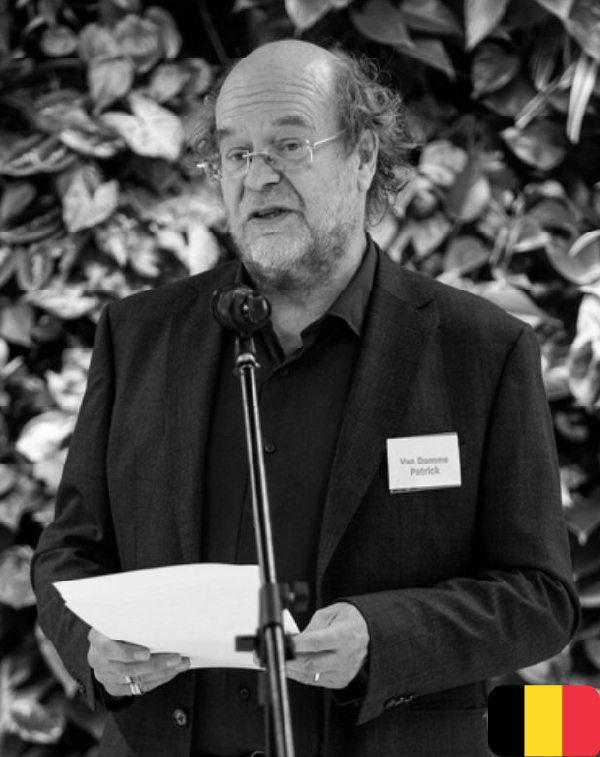
Patrick Van Damme
Belgium

Professor of tropical agronomy and an international reference in tropical agriculture, applied botany, and sustainable production systems. His academic and scientific career has contributed to the development of solutions for biodiversity, food security, and the sustainable use of natural resources. He has driven applied research connecting scientific knowledge with innovation for productive territories. His approach integrates agroecology, resilience, and the transformation of agricultural systems from a global perspective. He brings a key perspective on regenerative agriculture and the role of science in the bioeconomy. At BioSummit he will share views on sustainable production, biodiversity, and innovation for the future of agri-food systems.
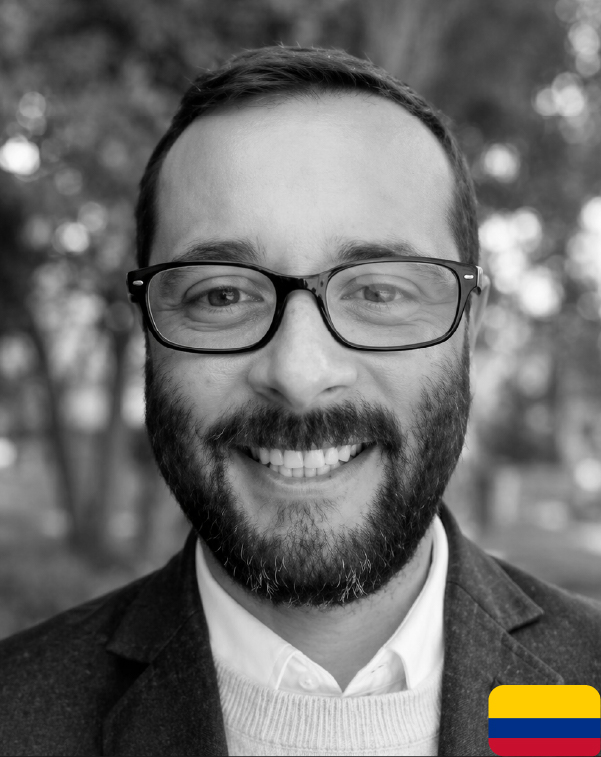
Patrick Van Damme Ph.D. Czech University of Life Sciences Prague
Tarsicio Granizo
Ecuador

Biologist, former Minister of the Environment of Ecuador, and current director of WWF Ecuador, recognized as a leading figure in conservation and environmental policy. His career connects science, public management, and leadership in protecting strategic ecosystems. He has driven initiatives focused on biodiversity, environmental governance, and nature-based solutions. His approach integrates conservation, public policy, and sustainable development from a strategic vision. He brings a key perspective on biodiversity and the transformation toward regenerative models.
Biól. Tarsicio Granizo Director of WWF Ecuador and former Minister of the Environment
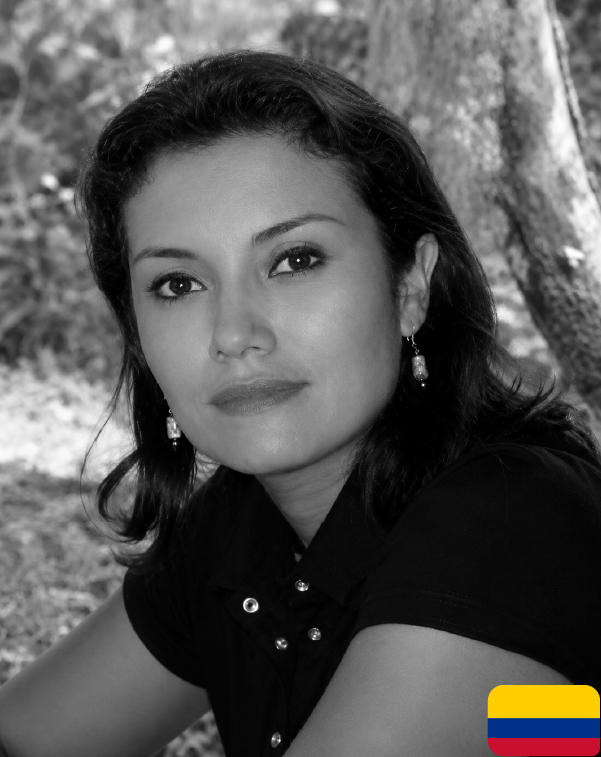
Alex Saer
Colombia

Environmental executive and CEO of CERCARBONO, with a career focused on climate certification, environmental integrity, and the development of carbon markets. His work drives mechanisms that strengthen nature-based solutions and climate financing to the highest standards. He has promoted innovative approaches connecting conservation, decarbonization, and sustainable development. His vision integrates regulation, transparency, and innovation to accelerate robust climate markets. He brings a strategic perspective on carbon, biodiversity, and financing for the regenerative transition. At BioSummit he will share his views on the role of carbon markets in the new climate economy.
Ing. Alex Saer CEO of CERCARBONO
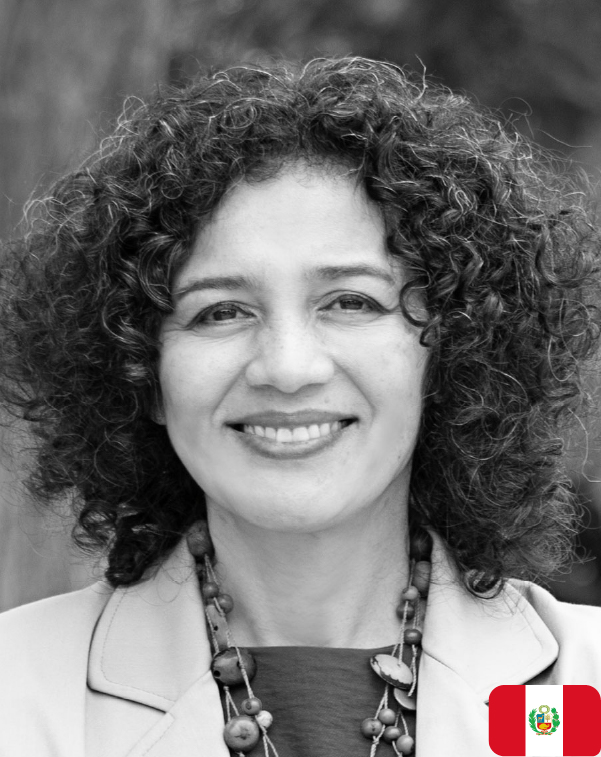
Gabriel Quijandría
Peru

Environmental manager and former Minister of the Environment of Peru, recognized as a regional reference in biodiversity, governance, and environmental financing. His career connects public policy, conservation, and innovation to drive solutions with territorial impact. He has promoted initiatives aimed at strengthening ecosystem management, natural capital, and the sustainable transition. His approach integrates governance, investment, and nature-based solutions from a strategic vision. He brings a key perspective on biodiversity and financing for regenerative development models. At BioSummit he will share his views on environmental leadership and opportunities to accelerate sustainable transformation.
Soc. Gabriel Quijandría Regional Director of IUCN for South America – Former Minister of the Environment of Peru
Jéssica Gallegos, MSc.
Ecuador

Ecuadorian specialist in climate change, environmental policy, and international cooperation, with an outstanding career designing and implementing national mitigation and conservation strategies. She currently serves as Undersecretary of Climate Change at the Ministry of Environment, Water, and Ecological Transition, leading the formulation of climate policy, mitigation mechanisms, and processes related to REDD+, carbon markets, and climate transparency. She previously worked as a climate-change mitigation specialist and REDD+ technical focal point, representing Ecuador in international initiatives for emissions reduction and forest protection. Her work integrates environmental governance, climate financing, and sustainable development, strengthening the implementation of national and international climate commitments. At BioSummit she will share perspectives on climate policy, carbon markets, and mechanisms to accelerate climate action and ecosystem conservation.
Jéssica Gallegos, MSc. Undersecretary of Climate Change | Ministry of Environment, Water, and Ecological Transition of Ecuador
Robert Fink
Spain

Lawyer and sustainable finance specialist, recognized for leading innovation and sustainable financing initiatives at the Institute of Stock Market Studies (IEB). His career connects financial regulation, sustainability, and business transformation from a strategic, global perspective. He has driven training programs and debates on sustainable investment, green bonds, and the transition toward regenerative economies. He has also worked to strengthen collaboration between the financial sector, innovation, and sustainability policies in Spain and Latin America. His approach integrates markets, governance, and sustainability as key drivers of economic transformation.
Dr. Jesús Mardomingo Managing Partner of the Banking Department at Andersen – Forbes.
Ing. Pablo Cornejo
Ecuador

Ecuadorian engineer and specialist in hydrometeorological management, climate monitoring, and the generation of scientific information for risk management. He currently serves as Executive Director of the National Institute of Meteorology and Hydrology (INAMHI), the official scientific body responsible for producing meteorological, hydrological, and climate information for Ecuador. From this position he drives the strengthening of observation and early-warning systems, forecast generation, and regional technical cooperation in the face of extreme climate events. He has taken part in national and international forums related to climate monitoring, risk management, and preparedness for phenomena such as El Niño, promoting the use of scientific evidence to anticipate impacts on communities, ecosystems, and productive sectors. His leadership also promotes technological innovation and inter-institutional coordination to expand the country's hydrometeorological monitoring capabilities. At BioSummit he will share perspectives on climate information, early-warning systems, and the role of science in strengthening resilience to extreme climate events.
Ing. Pablo Cornejo Executive Director | National Institute of Meteorology and Hydrology (INAMHI)
Robert Fink
Chile

Economist, academic, and former Minister of Energy of Chile, recognized for his extensive experience in public policy, natural resources, and sustainable development. His work has centered on the energy transition, regulation, strategic planning, and the transformation of energy systems in Latin America. He has led initiatives in the public sector, academia, and specialized organizations, promoting solutions for a low-carbon economy. His approach integrates energy, sustainability, and innovation from a long-term strategic perspective. He brings a valuable vision on energy transition, resilience, and sustainable economic development.
Ing. Claudio Huepe Former Minister of Energy of Chile – Director of the Energy Transition Observatory project
Rakan A. Zahawi, Ph.D.
United States

Tropical restoration ecologist internationally recognized for his work in ecosystem restoration, forest ecology, and biodiversity conservation. Since 2021 he has served as Executive Director and CEO of the Charles Darwin Foundation, where he leads scientific research and conservation actions to protect one of the planet's most emblematic ecosystems: the Galápagos Islands. He previously directed the Las Cruces Biological Station and the Wilson Botanical Garden in Costa Rica for a decade, and also served as director of the Lyon Arboretum at the University of Hawaii at Mānoa. He holds a Ph.D. in Plant Biology from the University of Illinois and has carried out research on tropical forest restoration, degraded habitat recovery, and conservation in several Latin American countries. He is also an associate researcher at the University of California, Santa Cruz, and an adjunct professor at Duke University. At BioSummit he will share his experience on ecological restoration, biodiversity conservation, and the role of science in strengthening ecosystem resilience in the face of global environmental challenges.
Rakan A. Zahawi, Ph.D. Executive Director and CEO | Charles Darwin Foundation for the Galápagos Islands
Robert Fink
United States

Renowned marine scientist, researcher, and educator with nearly five decades of experience dedicated to the study of aquatic ecosystems and environmental sustainability. As founding director of the Marine Science Research Institute at Jacksonville University, he has led research on biodiversity, water quality, marine conservation, and human impact on coastal ecosystems. His work has significantly contributed to knowledge of the St. Johns River and to the protection of marine species, including manatees and ocean wildlife. He has also played an active role in environmental education, science outreach, and community leadership, collaborating with organizations such as the Jacksonville Symphony. His approach combines research, conservation, and the training of future generations of scientists.
A. Quinton White Ph.D. Marine biologist, academic, and founder of the Marine Science Research Institute
Richard Parsons
Brazil

Brazilian specialist in climate services, resilience, and information management for climate-change decision-making. He currently serves as International Director of CIIFEN, a regional reference organization for climate research and El Niño monitoring in Latin America. His career connects science, technology, and international cooperation to strengthen adaptation and climate-risk management. He has led initiatives related to climate services, hydroclimatic vulnerability, early-warning systems, and institutional capacity building in the region. His approach integrates applied research, innovation, and the connection between science and public policy to build territorial resilience.
Felipe Costa International Director | International Research Center on the El Niño Phenomenon (CIIFEN) – Oceanographer
Cecilia Paredes
Ecuador

Scientist and engineer, rector of ESPOL and a leading figure in university leadership, innovation, and applied research. Her career has driven the connection between academia, science, and technological development to address contemporary challenges. She has promoted innovation ecosystems focused on sustainability, talent development, and knowledge transfer. Her approach connects higher education, applied research, and solutions for productive development. She brings a strategic vision on the role of academia in the bioeconomy and sustainable transformation. At BioSummit she will share perspectives on innovation, knowledge, and leadership for the future.
Cecilia Paredes Ph.D. Rector of Escuela Superior Politécnica del Litoral
Mariana Sarmiento
Colombia

Biodiversity and nature-based solutions specialist, involved in developing innovative instruments for conservation and restoration. Her career integrates science, finance for nature, and the design of mechanisms that promote regeneration at scale. She has driven initiatives connecting natural capital, environmental markets, and sustainable development. Her approach combines innovation, conservation, and territorial transformation from a strategic vision. She brings a key perspective on regenerative solutions and new opportunities for the bioeconomy. At BioSummit she will share views on restoration, biodiversity, and innovation for sustainable production systems.
Mariana Sarmiento Ph.D CEO of Terrasos
María Ángeles Huerta
Spain

Academic and researcher involved in applied research and sustainability, with a career generating knowledge to address environmental and productive challenges. Her work connects science, innovation, and solutions aimed at more resilient and sustainable systems. She has contributed to applied research initiatives related to development, technology, and sustainability. Her approach integrates academic rigor with a strategic vision to drive transformation through knowledge. She brings a key perspective on the role of research in the bioeconomy and regenerative innovation. At BioSummit she will share views on applied science and sustainability for the future.
María Ángeles Huerta Ph.D Academic and researcher involved in regenerative agriculture
Pilar Cornejo
Ecuador

Oceanographer, academic, and former National Secretary of Risk Management, with an outstanding career in climate, resilience, and risk management. Her work has contributed to the analysis of environmental threats and the development of strategies for adaptation and sustainability. She has driven initiatives connecting science, territorial management, and preparedness for climate challenges. Her approach integrates technical knowledge, public policy, and resilience from a strategic vision. She brings a key perspective on climate change, risk management, and sustainable transformation.
Pilar Cornejo Ph.D Former National Secretariat of Risk Management – ESPOL
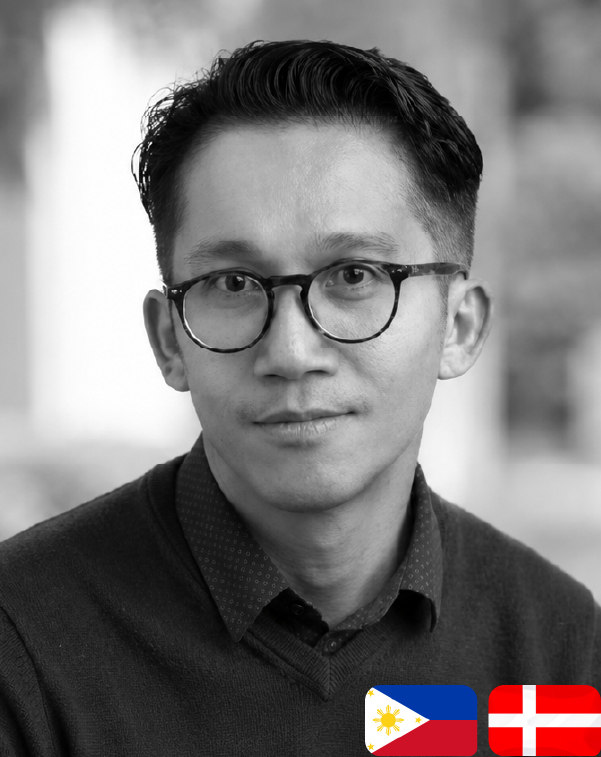
Richard Parsons
Philippines – Denmark

Researcher and specialist in circular bioeconomy, bioprocessing, and sustainable technologies, affiliated with the Technical University of Denmark (DTU). His career connects scientific innovation, biomass utilization, circular economy, and the development of solutions for more sustainable production systems. He has led research on biorefineries, marine resources, algae-derived bioactives, extraction technologies, and the valorization of biological waste. His work integrates applied science, sustainability, and innovation to drive new production models with lower environmental impact. He has also developed initiatives related to digitalization, traceability, and emerging technologies for sustainable value chains.
Marcel Tutor Ale Ph.D. Researcher in circular bioeconomy and sustainable technologies | DTU
Paolo Piedrahita, Ph.D.
Ecuador

Ecuadorian biologist, professor, and researcher specialized in the conservation and sustainable use of biodiversity, animal ecology, and ecosystem protection. He holds a Doctorate in Natural Sciences (Doctor rerum naturalium) from Bielefeld University, Germany, and a bachelor's degree in Biological Sciences from the Pontificia Universidad Católica del Ecuador. He currently serves as Dean and Full Professor of ESPOL's Faculty of Life Sciences, where he has carried out academic and scientific work since 2015. His research lines cover functional and behavioral animal ecology, ornithology, vertebrate zoology, trophic ecology, invasive species, plant-animal interactions, evolution, and biogeography. He has conducted research on Galápagos fauna and ecosystems, including studies on sea lions, bird conservation, and the effects of marine pollution, fishing pressure, and climate change. At BioSummit he will share perspectives on scientific research, biodiversity conservation, and the generation of knowledge applied to environmental challenges.
Paolo Piedrahita, Ph.D. Dean and Full Professor | Faculty of Life Sciences – ESPOL
Yahira Piedrahita
Ecuador

Ecuadorian Aquaculture Engineer with more than 35 years of experience in aquaculture production, sustainability, food safety, and international trade of fishery and aquaculture products. She currently serves as Executive Director of the National Chamber of Aquaculture (CNA), leading the representation of one of Ecuador's most important export industries. She holds studies in Fisheries Economics and a master's degree in Bioaquatic Resource and Environmental Management, along with international certifications in food safety and quality-system auditing. She has held senior public-sector positions such as Director General of Aquaculture and Director General of Ecuador's National Fisheries Institute. Her career includes advisory work for international organizations such as FAO, UNIDO, the European Union, and the Netherlands' Centre for the Promotion of Imports (CBI), as well as active participation in global aquaculture governance forums. She is internationally recognized for her leadership and promotion of sustainability in the shrimp industry.
Yahira Piedrahita Ph.D. Executive Director | National Chamber of Aquaculture of Ecuador (CNA)
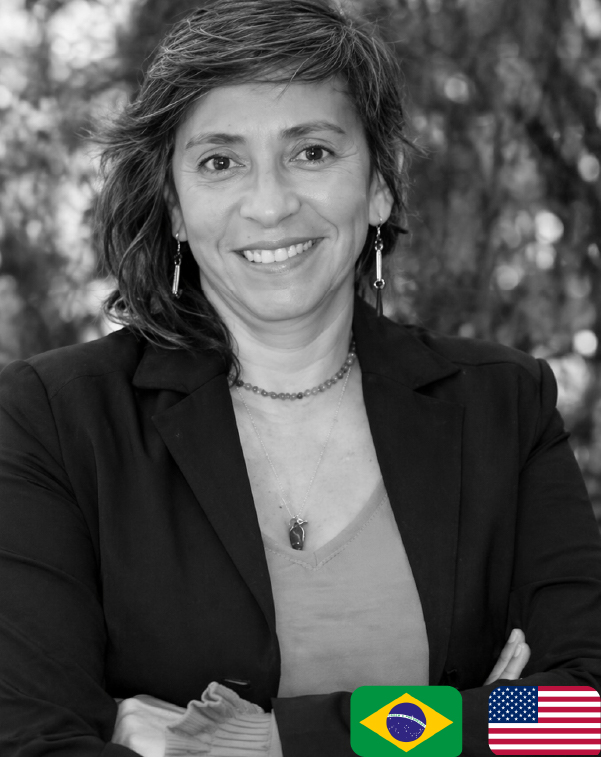
Ane Alencar
United States / Brazil

Amazonian scientist and international reference on deforestation, forest fires, and climate change, with a career focused on applied research for conservation. Her work connects science, territorial monitoring, and solutions for the resilience of Amazonian ecosystems. She has driven key studies on land use, carbon, and climate risks in the region. Her approach integrates biodiversity, science, and policy to address complex socio-environmental challenges. She brings a key perspective on the Amazon, climate, and strategies for territorial regeneration.
Ane Alencar Ph.D Director of Science at IPAM Institute
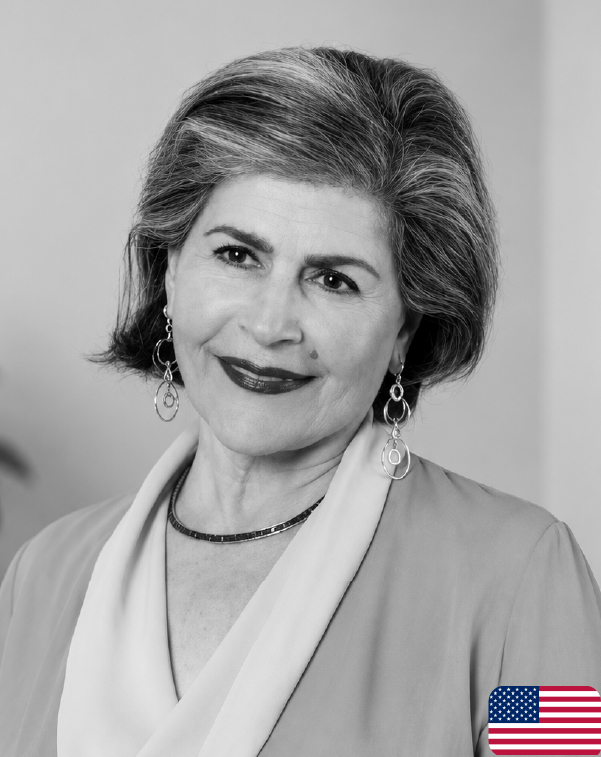
Alex Saer
United States

Scientist, investor, and international reference in agri-food innovation, biotechnology, and sustainability, recognized for her career spanning academia, venture capital, and technology leadership. She is currently a partner at Aurora Equity and founder of the AgFoodTech group at Band of Angels, where she drives investments in regenerative agriculture, food security, and impact technologies. She has advised scientific and technological initiatives linked to governments, foundations, and international organizations, and has collaborated with the administrations of three U.S. presidents. Her approach connects innovation, bioeconomy, and strategic financing to accelerate solutions to global climate and food challenges. She was the first woman to join the board of the U.S. Space Foundation and is a member of the Women in Technology International Hall of Fame.
Jaleh Daie Ph.D. Investor, scientist, and partner at Aurora Equity | Texas Venture Alliance
Ramón Espinel
Ecuador

Agricultural engineer, academic, and former Minister of Agriculture, with extensive experience in rural development, production, and agricultural economics. His expertise integrates public policy, research, and management to strengthen sustainable agri-productive systems. He has driven initiatives focused on innovation, food security, and rural-sector competitiveness. His approach connects agriculture, territory, and development from a strategic, regenerative vision. He brings a key perspective on productive transformation and the role of agriculture in the bioeconomy. At BioSummit he will share views on rural development, sustainability, and innovation for the future of agri-food systems.
Ramón Espinel Ph.D Former Minister of Agriculture; faculty at ESPOL and the University of Florida
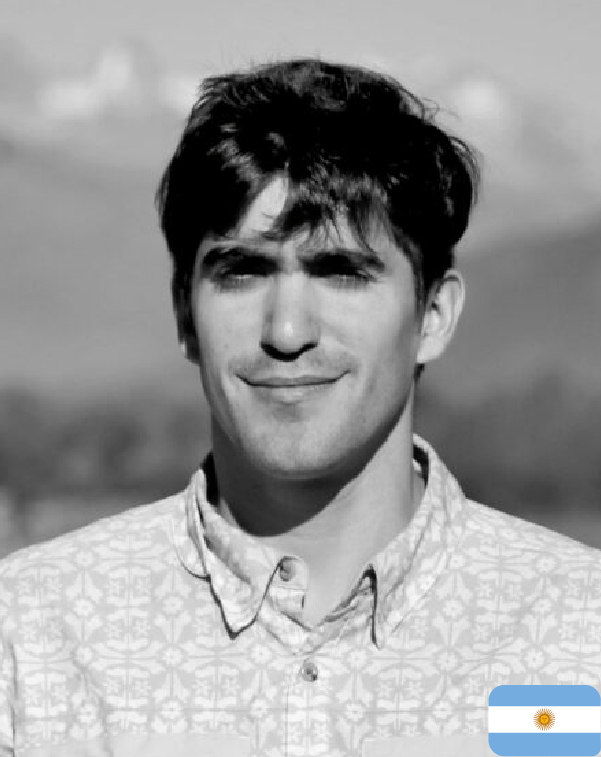
Milena de Benito
Argentina

Argentine biologist specialized in biodiversity, ecosystem conservation, and environmental sustainability. Her career combines scientific research, knowledge management, and the promotion of strategies for nature protection. She has taken part in initiatives related to biodiversity monitoring, species conservation, and the strengthening of evidence-based environmental policies. Her work connects science, territory, and sustainability to contribute to a better understanding of today's environmental challenges. Her approach integrates applied research, conservation, and science communication as tools to drive long-term solutions.
Milena de Benito Biologist and researcher in biodiversity and conservation
Carlos Mantilla
Ecuador

General Manager of El Ordeño and a business reference in agro-industrial innovation, sustainability, and productive transformation. His career connects business development, added value, and solutions to strengthen sustainable agri-food chains. He has driven initiatives focused on innovation, competitiveness, and production with positive impact. His approach integrates business, sustainability, and bioeconomy from a strategic vision. He brings a key perspective on agribusiness and new opportunities for regenerative production systems. At BioSummit he will share views on innovation, production, and the future of the agri-food sector.
Ing. Juan Pablo Grijalva Founder and President of El Ordeño
Jacobo Carrizales
Colombia

Consultant in biodiversity and environmental markets, specialized in standards, climate integrity, and nature-based solutions. His career connects certification, climate financing, and innovation to strengthen mechanisms with environmental impact. He has worked on initiatives focused on carbon, biodiversity, and the development of instruments for robust environmental markets. His approach integrates technical rigor, transparency, and innovation to accelerate regenerative solutions. He brings a strategic perspective on climate integrity and opportunities for the bioeconomy.
Ing. Zoot. Jacobo Carrizales Consultant in biodiversity and ecosystem markets at Gold Standard
Claudio J. Lutzky, LL.M.
Argentina

Argentine lawyer specialized in environmental markets, sustainable finance, and the negotiation and structuring of carbon transactions, admitted to practice in Buenos Aires and New York. He holds a law degree from the University of Buenos Aires (UBA) and an LL.M. in Law and Economics from George Mason University. As Vice President of Carbon Contracting at MGM International, he structured and negotiated hundreds of greenhouse-gas reduction projects and carbon-credit transactions, including operations under the Clean Development Mechanism (CDM) and voluntary and compliance markets. He currently directs the Eleusis Initiative for Sustainable Investment at the University of Buenos Aires and serves on the Appeal and Grievance Expert Roster of the UNFCCC's Article 6.4 mechanism. At BioSummit he will share perspectives on carbon markets, sustainable finance, and the legal and governance frameworks needed to develop financeable, transparent, high-integrity environmental projects.
Claudio J. Lutzky, Ph. D. Lawyer specialized in environmental markets and sustainable finance | Director of the Eleusis Initiative for Sustainable Investment – University of Buenos Aires
Tuntiak Katan
Ecuador

Amazonian indigenous leader and international reference in conservation, territory, and the rights of native peoples. His career has advanced a vision in which biodiversity, ancestral knowledge, and territorial governance are pillars of the future. He has promoted initiatives to strengthen nature-based solutions led by indigenous communities. His approach connects leadership, culture, and regeneration from a deeply territorial perspective. He brings a key perspective on bioeconomy, conservation, and ancestral wisdom for the sustainable transition.
Tuntiak Katan Director of IKIAM
Lisbeth del Rocío Espinoza Lozano, Ph.D.
Ecuador

Ecuadorian agricultural engineer and plant health specialist, with a Ph.D. in Plant Medicine and a master's degree in Entomology and Nematology from the University of Florida (United States). She currently serves as professor and researcher at the Faculty of Life Sciences of Escuela Superior Politécnica del Litoral (ESPOL), where she conducts research on phytosanitary diagnosis, plant protection, and the sustainable management of tropical crops. Her scientific work focuses on phytopathology, entomology, nematology, and biological control, contributing to the development of innovative solutions for agricultural health and food security. She has led research on emerging diseases in pitahaya crops, plant-pathogenic nematodes, and biological-control agents, while also training new researchers through teaching and the direction of scientific projects. At BioSummit she will share her experience on plant health, agricultural innovation, and sustainable strategies to strengthen productivity and ecosystem conservation.
Lisbeth Espinoza, Ph.D. Professor and researcher | Faculty of Life Sciences, ESPOL
Richard Parsons
Ecuador

Environmentalist, diplomat, and former Minister of the Environment of Ecuador, recognized for her career in environmental policy and international cooperation. Her work has been linked to biodiversity, sustainability, and diplomatic representation on strategic issues for the country. She has driven initiatives related to conservation, governance, and international coordination for sustainable development. Her approach integrates public policy, international relations, and environmental management from a strategic vision.
Dra. Ana Albán Former Minister of the Environment of Ecuador; former Ambassador of Ecuador to London
Mauricio Norman Saldívar
Argentina

Argentine meteorologist recognized for his work in science communication, environmental education, and the analysis of atmospheric phenomena. He holds a degree in Environmental Science Education and a diploma in Risk Management, integrating technical knowledge with outreach to bring climate science closer to diverse audiences. His career combines meteorology, education, and risk management, with a particular focus on understanding extreme events and the impacts of climate change. He has actively participated in training, communication, and awareness efforts on climate resilience and territorial adaptation. His approach connects science, society, and decision-making to strengthen preparedness for contemporary environmental challenges. At BioSummit he will share perspectives on climate, risk management, and the role of science education in building more resilient communities.
Lic. Mauricio Saldivar Meteorologist, science communicator, and risk-management specialist
Diana Rauschwerger
Colombia

Biologist and agronomic engineer with a career in biodiversity, territory, and applied sustainability, involved in designing solutions for conservation and productive development. Her expertise integrates environmental management, public policy, and instruments for territorial transformation. She has contributed to initiatives focused on restoration, governance, and sustainable production systems. Her approach connects science, innovation, and development from a strategic vision. She brings a key perspective on biodiversity and regenerative solutions for the territory.
Ing. Diana Rauschwerger Biologist and agronomic engineer, biodiversity expert – Colombia's Ministry of Environment – Placis
Pablo Guerrero
Ecuador

Biologist and marine conservation specialist focused on coastal ecosystems, fisheries, and marine biodiversity. His work connects science, management, and solutions to strengthen the resilience of oceans and coastal territories. He has driven initiatives focused on sustainable marine-resource management and applied conservation. His approach integrates biodiversity, communities, and sustainability from a strategic vision. He brings a key perspective on oceans and nature-based solutions for a blue future.
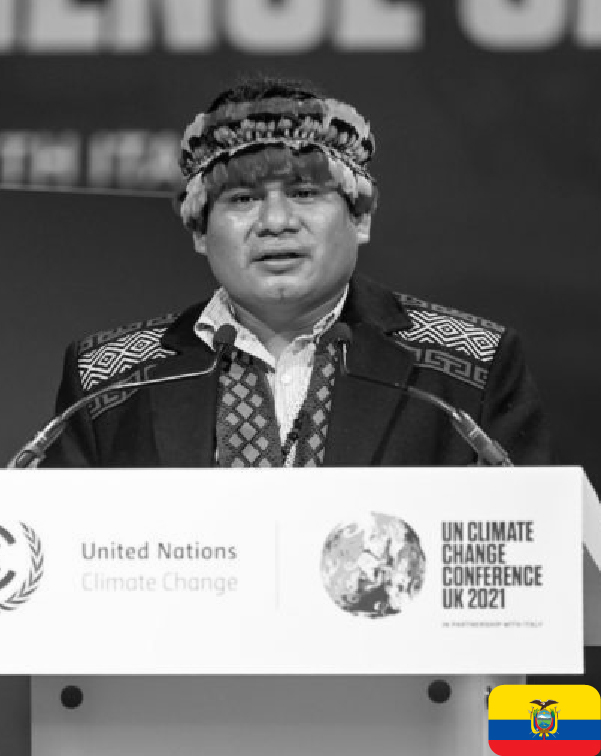
Biól. Pablo Guerrero Biologist and marine conservation specialist – WWF
Richard Parsons
United States

Physician, technologist, and entrepreneur focused on climate innovation, biodiversity, and regenerative markets, recognized as founder and CEO of Savimbo. Her work connects indigenous communities, technology, and environmental financing to develop fair carbon, biodiversity, and water credits. She has driven innovative models aimed at conservation, restoration, and the economic strengthening of Amazonian territories. Her approach integrates technology, the rights of nature, and solutions based on ancestral knowledge from a disruptive, systemic vision. She brings a key perspective on bioeconomy, environmental markets, and innovation for global conservation.
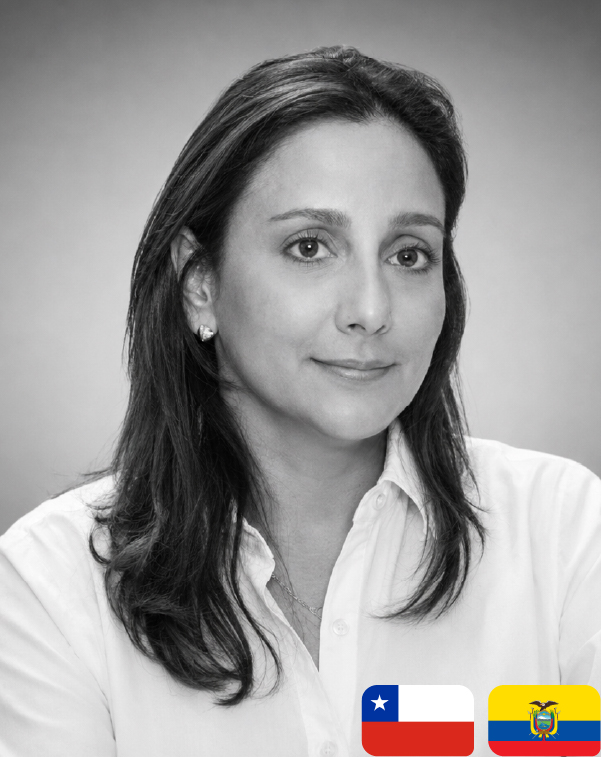
Dra. Drea Burbank Founder and CEO | Savimbo
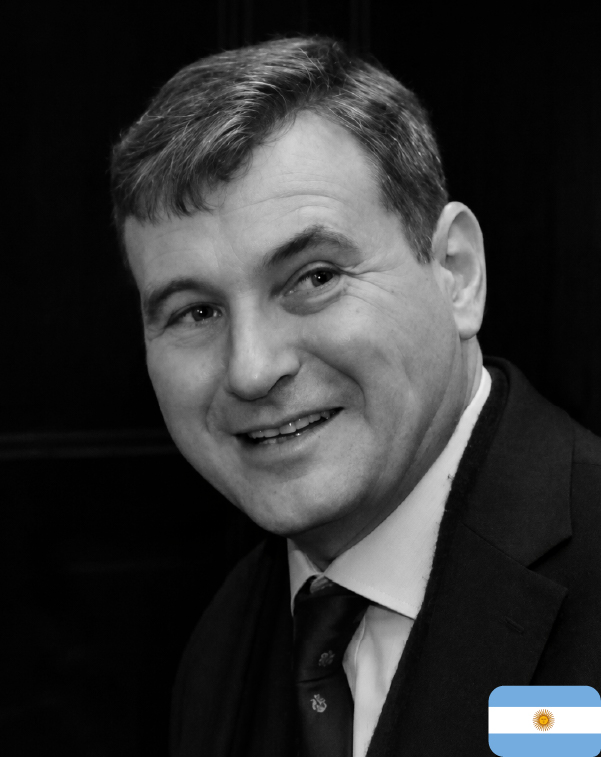
Luis Babbo
Argentina

Argentine specialist in drinking water, sanitation, and urban infrastructure management, with an outstanding career analyzing public policy and essential services. His work has focused on the challenges of universal access to water and sanitation, territorial planning, and the relationship between infrastructure, urban development, and quality of life. He has conducted research on water governance, informal settlements, and basic-service coverage in metropolitan areas, contributing to the debate on more inclusive and resilient cities. His expertise integrates technical management, strategic planning, and policy analysis linked to sustainable development. He has also taken part in academic and professional forums related to the modernization of water and sanitation services in Latin America.
Luis Babbo Ph.D. Specialist in water, sanitation, and sustainable urban planning
Richard Parsons
Ecuador

Ecuadorian entrepreneur and co-founder of Paccari, an internationally recognized brand for its focus on organic chocolate, fair trade, and sustainable innovation. His career connects biodiversity, regenerative agriculture, and added value to position Ecuadorian products in global markets. He has driven responsible production models that integrate sustainability, social impact, and conservation. His approach combines entrepreneurship, bioeconomy, and the transformation of production chains from an ethical, regenerative vision. He brings a key perspective on agro-industrial innovation and biodiversity-based sustainable development.
Santiago Peralta Founder and CEO of Paccari
Rodrigo Gómez de la Torre
Ecuador

Ecuadorian agribusiness entrepreneur and trade-association leader with an extensive career in productive-sector development, competitiveness, and business representation. He currently chairs the Ecuadorian Business Committee (CEE), the country's leading private-sector association, from which he drives dialogue between business, the State, and society to strengthen economic growth and sustainable development. He has led organizations such as the Chamber of Agriculture of the First Zone and the National Federation of Livestock Ranchers, promoting policies aimed at productivity, innovation, and food security. His work focuses on strengthening the bioeconomy, market openness, sustainability, and the competitiveness of Ecuadorian agriculture through public-private coordination. At BioSummit he will share perspectives on bioeconomy, competitiveness, and the role of the private sector in building a development model based on innovation and biodiversity conservation.
Rodrigo Gómez de la Torre President | Ecuadorian Business Committee (CEE) – President of the Chamber of Agriculture of the First Zone
Sascha Alexander Matecki García, M.Sc.
Ecuador / Germany

Ecuadorian-German specialist in ecological agriculture and sustainable natural-resource management, with a Bachelor's and Master of Science in International Organic Agriculture from the University of Kassel, Germany, with an emphasis on tropical, subtropical, and multi-strata agroforestry systems. His professional career combines organic agriculture, good agricultural practices, agroforestry systems, reforestation, conservation, and sustainable production, with particular experience in fine-flavor cacao, CCN-51 cacao, and non-traditional crops. He has worked as an advisor to Ecuador's Ministry of Environment and to CAF on initiatives related to natural heritage, forest monitoring, biodiversity, and monitoring of Yasuní National Park. He also has extensive experience as an agricultural consultant, producer, and university professor in areas such as biogeography, forest management, silviculture, and Ecuador's current environmental affairs. At BioSummit he will share perspectives on ecological agriculture, agroforestry systems, and production models that integrate biodiversity conservation, restoration, and the sustainable use of natural resources.
Sascha Matecki, M.Sc. Specialist in ecological agriculture, agroforestry systems, and biodiversity conservation
César Ruperti
Ecuador

Lawyer, businessman, and reference figure in Ecuador's productive sector, recognized for his career in trade-association leadership, industrial development, and diplomatic representation. He served as executive president of the Chamber of Industries and Production (CIP) and led the National Federation of Chambers of Industries of Ecuador. His work has driven initiatives related to competitiveness, sustainability, corporate integrity, and the strengthening of the private sector. He also served as Ecuador's Ambassador to the United States, promoting cooperation, trade, and bilateral investment. His approach connects economic development, innovation, and sustainability from a long-term strategic vision.
Dr. Pablo Zambrano Former Ambassador of Ecuador to the United States and former Executive President of the National Federation of Chambers of Industries of Ecuador – Veolia
Juan Carlos Vega
Ecuador

Current Minister of Agriculture and Livestock of Ecuador and former Minister of Economy and Finance, with a career linked to public policy, economic management, and productive development. His experience connects macroeconomic strategies with strengthening the agricultural sector and rural competitiveness. He has promoted initiatives focused on innovation, sustainability, and resilience for food systems. His approach integrates agriculture, investment, and productive transformation from a long-term strategic vision. He brings a key perspective on bioeconomy, food security, and policies for regenerative development. At BioSummit he will share views on agriculture's role as a driver of a new nature-based economy.
Ing. Agr. Juan Carlos Vega Former Minister of Agriculture of Ecuador and former Minister of Economy.
Ryan Lynch
United States

Tropical ecologist and conservationist focused on forest and biodiversity protection, with extensive experience in applied conservation. His work connects restoration, ecosystem protection, and solutions for territorial resilience. He has driven initiatives focused on strategic conservation and the regeneration of critical landscapes. His approach integrates science, territory, and action to strengthen nature-based solutions. He brings a key perspective on forests and conservation for a regenerative future. At BioSummit he will share views on biodiversity and ecosystem restoration.
Ryan Lynch MSc. Biologist, tropical ecologist, and conservationist
Richard Parsons
Ecuador

Sustainability and environmental management specialist with extensive experience in green financing and sustainable-development policy in Latin America. His work at CAF has driven initiatives related to sustainable finance, climate adaptation, and the strengthening of environmental standards. He has led programs focused on environmental and social management for financial institutions in the region. His approach connects biodiversity, investment, and the transition toward regenerative economies.
Mauricio Velásquez MSc. Principal Executive at CAF – Development Bank of Latin America
Mariano Rossi
Argentina

Argentine specialist in urban public policy, resilience, and disaster-risk management, with nearly two decades of experience in the public sector, private sector, and international cooperation agencies. He holds a master's degree in Urban Management from the Technical University of Berlin (TU Berlin), with training in Political Science and Public Policy. His career has focused on strengthening cities' capacity to address challenges related to natural disasters, climate change, urban infrastructure, and territorial sustainability. He has worked on climate mitigation and adaptation projects, open data, urban planning, and institutional strengthening in Argentina and other countries. He is also founder and director of Clurb, a technology company that develops digital solutions for local governments, including innovative platforms for smart disaster-risk management and the building of more resilient cities. His approach integrates technology, innovation, and public policy to promote more inclusive, sustainable territories prepared for future challenges.
Mariano Rossi MSc. Senior consultant in urban resilience and risk management | Founder and Director of Clurb
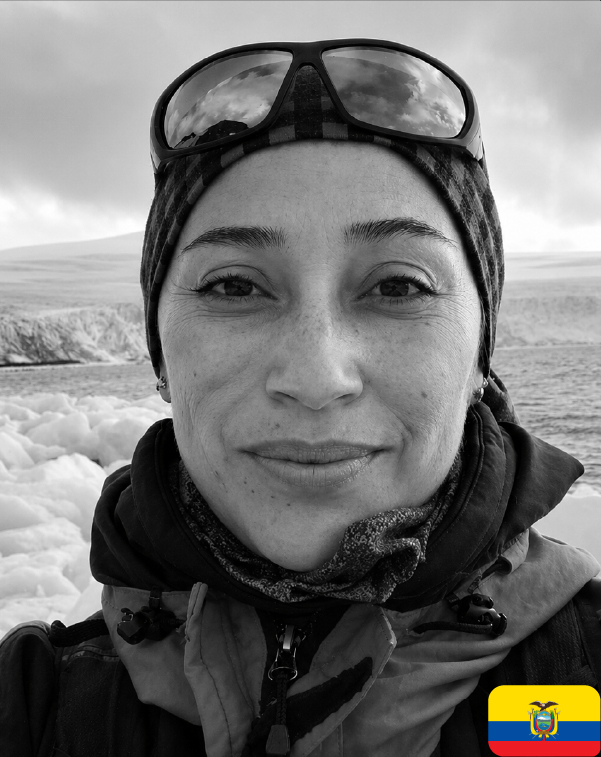
Richard Parsons
Ecuador

Ecuadorian oceanographer, marine biologist, and researcher recognized for her work on climate change, ocean acidification, and marine ecosystems. She has led scientific research in Antarctica and expeditions focused on the environmental impact on marine biodiversity. Her career connects ocean science, scientific diplomacy, and conservation from an interdisciplinary vision. She is a reference in applied research on climate resilience and marine-ecosystem health.
Patricia Castillo Ph.D Member of the Antarctic expedition – Faculty at UTM
Ing. Christian J. Taylor
Argentina

Argentine civil and hydraulic engineer with more than 30 years of experience in planning, management, and innovation in the drinking water and sanitation sectors. He currently serves as Advisor for International Affairs and Innovation at Agua y Saneamientos Argentinos (AySA), the company responsible for water and sewer services for millions of residents of the Buenos Aires Metropolitan Area. His career includes leading studies, projects, and master plans aimed at expanding and improving water and sanitation infrastructure. He has represented Argentina before the International Water Association (IWA), where he takes part in strategic water-governance and international-cooperation forums. He has also held leadership positions at the Inter-American Association of Sanitary and Environmental Engineering (AIDIS) and AIDIS Argentina, promoting knowledge exchange and innovation in the sector.
Ing. Christian J. Taylor Advisor for International Affairs and Innovation | Agua y Saneamientos Argentinos (AySA)
Robert Fink
Ecuador

Specialist in energy, sustainability, and international cooperation, recognized as the first woman to lead Ecuador's Ministry of Energy and Mines. Her career connects public policy, energy transition, and innovation for sustainable development. She has worked with international organizations and initiatives related to renewable energy, green hydrogen, and regional energy integration. Her approach combines sustainability, governance, and the transformation of energy systems from a strategic perspective. She brings key perspectives on energy transition, innovation, and the challenges that will shape the future of energy resources.
Ing. Andrea Arrobo Former Minister of Energy and Mines of Ecuador
Ph.D. Bolívar Andrés Erazo Maldonado
Ecuador

Ecuadorian environmental engineer with an outstanding career in hydrology, water-resource management, and climate monitoring. He graduated from Escuela Politécnica Nacional and holds a master's degree in Hydrology, Soils, and Environment, as well as a Ph.D. in Continental Interface Hydrology from Université Paul Sabatier in Toulouse, France. He served as Executive Director of the National Institute of Meteorology and Hydrology (INAMHI), leading institutional strengthening, technological modernization, and the generation of climate information for decision-making in Ecuador. He previously held technical and research positions at the Quito Metropolitan Public Drinking Water and Sanitation Company (EPMAPS) and at the Water and Páramo Scientific Station (ECAP), specializing in hydrometeorological monitoring and watershed management. His research has focused on satellite precipitation estimates, climate change, and water availability in high-mountain Andean ecosystems.
Bolívar Erazo Ph.D. Hydrologist and applied meteorology specialist | Former Executive Director of INAMHI
Trent Blare
United States

Agricultural economist and analyst recognized for his work on markets, production systems, and tropical agriculture. His career connects applied research, economics, and solutions to strengthen agri-food resilience. He has driven studies and initiatives on value chains, innovation, and rural development. His approach integrates economic analysis and sustainability from a strategic vision. He brings a key perspective on agriculture, markets, and productive transformation.
Trent Blare Ph.D. Country Manager at CIP and expert in regenerative production
Dennise Valencia
Ecuador

Ecuadorian businesswoman and impact-business reference, specialized in sustainable value chains, biodiversity conservation, and fine-flavor cacao. She is CEO and co-founder of To'ak Chocolate, a company internationally recognized for turning Ecuadorian Nacional cacao into a luxury product that integrates conservation, forest regeneration, and community development. Her career combines sustainability, entrepreneurship, and innovation, promoting a business model that connects nature, culture, and high-value global markets. She has represented To'ak at international forums on impact investing, bioeconomy, and regenerative agriculture, driving partnerships with conservation organizations and multilateral bodies. At BioSummit she will share her experience on bioeconomy, sustainable entrepreneurship, and how biodiversity can become an engine of economic development, generating value for producers, communities, and ecosystems.
Dennise Valencia CEO and co-founder | To'ak Chocolate
María José Andrade
Ecuador

Ecuadorian specialist in conservation, sustainable tourism, and territorial development, with an outstanding career driving initiatives that integrate the protection of high-Andean ecosystems with the well-being of local communities. She currently serves as Director of Sustainability and Conservation at Fundación Páramo, where she leads projects focused on páramo conservation, sustainable water management, and strengthening partnerships for the protection of natural heritage. Her experience combines project management, strategic communication, international cooperation, and nature tourism, promoting models that link conservation, culture, and local development. She has driven environmental-education, community-resilience, and regenerative-tourism initiatives, and has taken part in international programs on conservation and sustainable leadership. At BioSummit she will share perspectives on páramo conservation, water management, and territorial-development models that integrate sustainability, communities, and biodiversity.
María José Andrade Anthropologist – Director of Sustainability and Conservation | Fundación Páramo
Celso Yaguana, Ph.D.
Ecuador

Ecuadorian forestry engineer and researcher specialized in forest ecology, biodiversity, ecosystem restoration, and the sustainable management of tropical forests. He is professor and researcher at Escuela Superior Politécnica del Litoral (ESPOL), where he carries out academic and scientific work in botany, ecology, ecological restoration, and biodiversity conservation. He also serves as a consultant for the Food and Agriculture Organization of the United Nations (FAO), contributing to projects related to forest monitoring, restoration, and the sustainable management of natural resources. His scientific work has focused on the dynamics of Andean and tropical forests, floristic diversity, carbon storage, and the restoration of degraded ecosystems, with numerous publications in international scientific journals. His career integrates applied research, teaching, and technical cooperation to strengthen ecosystem resilience and promote the conservation and sustainable use of forest resources. At BioSummit he will share his experience on ecological restoration, biodiversity, and nature-based solutions to address environmental and climate challenges.
Celso Yaguana, Ph.D. Professor and researcher at ESPOL | FAO Forestry Sciences Consultant
César Ruperti
Brazil

Ecuadorian businessman and CEO of AquaVerde, a company focused on developing innovative solutions for water management, aquaculture, and production systems. His career is geared toward integrating technology, innovation, and water resources to strengthen more efficient and resilient production models. He has driven initiatives that promote the connection between biodiversity, bioeconomy, and productive development, generating solutions for the aquaculture, agricultural, and industrial sectors. His approach combines strategic vision, technological innovation, and business management to respond to challenges related to water and production. At BioSummit he will share his experience on innovation applied to water management, bioeconomy, and opportunities to transform production systems through high-impact solutions.
César Ruperti CEO | AquaVerde
Martha Cruz
Colombia

Professional working in the water sector, focused on water management and urban sustainability from a comprehensive view of water resources. Her career connects innovation, planning, and solutions for resilience in water systems. She has driven initiatives related to sustainable management, infrastructure, and water security. Her approach integrates territory, sustainability, and transformation from a strategic perspective. She brings a key perspective on water as a pillar of regenerative development.
Martha Cruz Ph.D. Professional working in the water sector, focused on water management
Lisa Hammond
United States

University professor and specialist in regenerative production and applied strategy, involved in biomimicry and sustainable project management. Her career connects innovation, nature-inspired design, and the transformation of production systems. She has driven approaches integrating science, creativity, and regenerative solutions across different sectors. Her approach combines systemic thinking, sustainability, and applied innovation. She brings a key perspective on biomimicry and new opportunities for the bioeconomy.
Lisa Hammond Ph.D. Specialist in regenerative production – USF – Faculty at the University of South Florida
Juan Carlos Peralvo
Ecuador

Ecuadorian ecologist and regional reference in biodiversity, conservation, and socio-environmental monitoring, with an outstanding scientific career in Andean-Amazonian ecosystems. She is executive director of Fundación EcoCiencia, where she leads initiatives to generate strategic information for decision-making in conservation and sustainable development. She previously served as regional ecologist for Latin America and the Caribbean at NatureServe, developing methodologies for the classification, mapping, and assessment of ecosystems across the region. Her work integrates geospatial tools, threat analysis, climate-change adaptation, and biodiversity monitoring. She is also active in networks such as RAISG and the Science Panel for the Amazon, promoting scientific evidence to strengthen territorial governance.
Carmen Josse, Ph.D. Executive Director | Fundación EcoCiencia
Diego E. Birochio
Argentina

Argentine biologist specialized in wildlife conservation, mammal ecology, and terrestrial ecosystem management, with an outstanding academic and scientific career in Patagonia. His work centers on the study of biodiversity, ecosystem resilience, and the management of invasive exotic species that affect both conservation and production systems. He has driven sustainable environmental-management initiatives and applied research projects focused on protecting native species, including threatened mammals such as the Andean cat. His approach integrates science, local communities, and sustainability to develop socio-ecological solutions that strengthen biodiversity conservation and territorial resilience. He also leads and co-directs doctoral research on wild-boar ecology (Sus scrofa), heavy-metal contamination in sea lions (Otaria byronia), and the reconstruction of the environmental history of northeastern Patagonia, particularly regarding groundwater use and drought periods.
Diego E. Birochio Ph. D. Biologist, university professor, and wildlife-conservation specialist
María Inés Rivadeneira
Ecuador

Sociologist and researcher focused on governance, human rights, and political ecology, with a career in sustainability and territorial transformation. Her work connects biodiversity, communities, and socio-environmental justice from an interdisciplinary vision. She has driven initiatives related to governance and solutions for resilient territories. Her approach integrates social research, sustainability, and public policy. She brings a key perspective on rights, territory, and the regenerative transition.
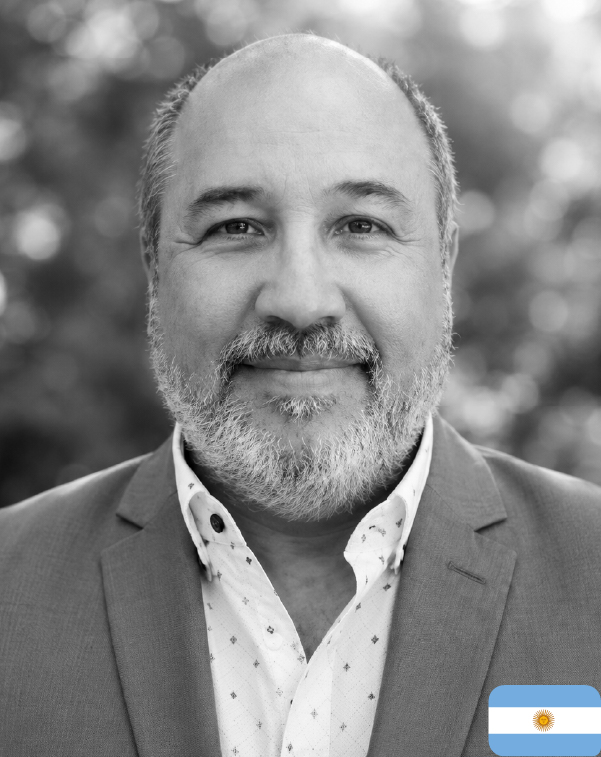
María Inés Rivadeneira Sociologist and researcher in human rights and political ecology – WWF Ecuador
Joseph Niyomukiza
Rwanda

Entrepreneur and founder focused on investment in agritech, clean energy, the circular economy, and data-driven solutions to generate quality employment. His work drives initiatives aimed at strengthening food systems, combating malnutrition, and reducing post-harvest losses. He has promoted innovation with impact on youth, entrepreneurship, and productive resilience. His approach integrates investment, technology, and sustainable development from a strategic vision. He brings a key perspective on inclusive innovation and opportunities for the bioeconomy. At BioSummit he will share views on entrepreneurship and innovation for the food systems of the future.
Joseph Niyomukiza Rwanda | Impact Ventures in Agritech and Clean Energy – World Food Forum
Carlos Mantilla
Ecuador

Director and editor at Forbes Ecuador, involved in business analysis, innovation, and trends transforming markets and business leadership. His career connects strategic communication, economics, and forward-looking innovation. He has driven conversations on entrepreneurship, sustainability, and new development opportunities. His approach integrates economic thinking and business transformation. He brings a key perspective on business, leadership, and innovation for the new economy. At BioSummit he will share views on competitiveness and opportunities in the regenerative economy.
Carlos Mantilla Director of Forbes Ecuador
Cristina Miranda-Beas, M.Sc.
Peru

Peruvian political scientist and public-policy specialist, with master's degrees from the University of Montreal and the Pontificia Universidad Católica del Perú, and more than 20 years of experience at the intersection of science, public policy, and environmental decision-making. Her career has focused on promoting collaborative approaches that connect research with action to address complex sustainability challenges. She has worked on issues related to biodiversity conservation, climate change, water management, and territorial governance in various Latin American contexts. Her approach drives evidence-based solutions, strengthening multilevel environmental governance and integrating indigenous knowledge into decision-making processes. Her work helps build bridges between science, communities, and policymakers to generate long-term sustainable impact. At BioSummit she will share perspectives on water governance, biodiversity conservation, and opportunities to align infrastructure development with more resilient, sustainable territories.
Cristina Miranda MSc. Political scientist and environmental public-policy specialist
Robert Fink
Ecuador

Ecuadorian educator, communicator, and writer, recognized for her extensive experience in academic leadership, educational innovation, and institutional management. She served as Minister of Education of Ecuador and has built an outstanding career as a university professor, speaker, and driver of projects focused on educational transformation. Her work connects education, technology, creativity, and human development from a comprehensive perspective. She is also the founder of initiatives aimed at strengthening learning processes, leadership, and teacher training. Her approach integrates innovation, the humanities, and sustainability as fundamental pillars for the development of future generations.
Alegría Crespo Ph.D. Former Minister of Education of Ecuador
Charlotte Venturini, M.Sc.
France

French geographer specialized in international cooperation, biodiversity, and sustainable agricultural development. She is part of the French Development Agency (AFD) in Ecuador, where she serves as Biodiversity and Agriculture Projects Officer, leading initiatives focused on biodiversity conservation, strengthening agri-food systems, and territorial development. She holds two master's degrees, one in International Cooperation for Development in Latin America from the Institute of Higher Latin American Studies in Paris (IHEAL) and another in Sustainable Agricultural Development and Food Security from Université Paris-Saclay. Since joining the AFD in 2020, she has also taken on the role of Biodiversity and Communications focal point, driving projects that promote the connection between conservation, production, and international cooperation. Her work integrates rural development, biodiversity financing, and the strengthening of strategic partnerships to address the region's environmental challenges. At BioSummit she will share perspectives on biodiversity, sustainable agriculture, and the role of international cooperation in building more resilient and sustainable territories.
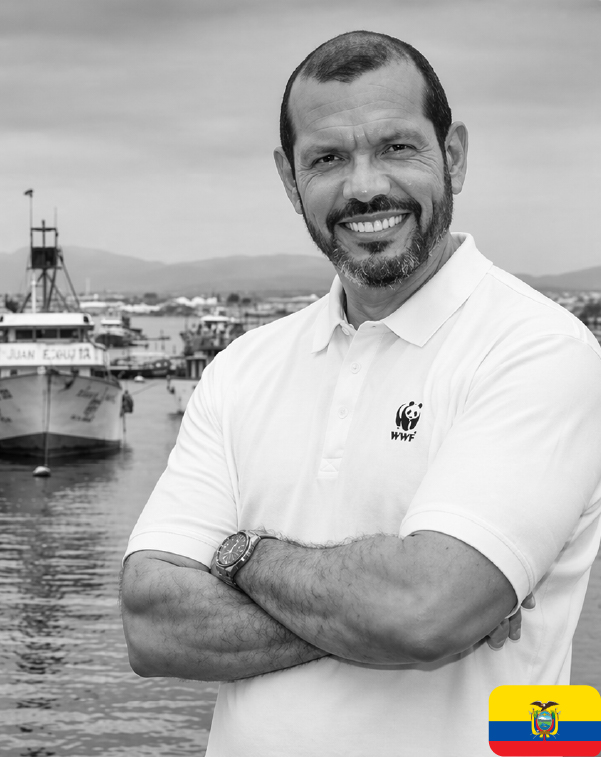
Charlotte Venturini, M.Sc. Biodiversity and Agriculture Projects Officer | French Development Agency (AFD) – Ecuador
Biól. Armando Castellanos
Ecuador

Ecuadorian biologist and one of Latin America's most recognized conservationists, with an outstanding career in research, biodiversity protection, and the conservation of large mammals. He is founder and director of Fundación Oso Andino, a pioneering organization in the study and conservation of the Andean bear (Tremarctos ornatus) and other emblematic species of Andean ecosystems. His work has been fundamental to the development of camera-trap-based wildlife monitoring methodologies and other innovative tools, making him an international reference in large-mammal tracking. For more than two decades he has led conservation projects in Ecuador and other countries in the region, contributing to the protection of critical habitats and ecological corridors. His scientific and field work has been internationally recognized for its contribution to the knowledge and conservation of threatened species.
Biól. Armando Castellanos Executive Director | Fundación Oso Andino
Dra. Nicole Bernex
Peru

Internationally recognized Peruvian geographer with a career in integrated water-resource management, territorial planning, and sustainable development. A doctor and researcher at the Pontificia Universidad Católica del Perú (PUCP), she has devoted much of her career to studying the relationships between water, territory, communities, and environmental governance. Her work combines scientific research, education, and territorial action, promoting participatory approaches to the sustainable management of watersheds and ecosystems. She has collaborated with national and international bodies on initiatives related to climate change, water security, and biodiversity conservation. She is one of the region's most influential voices on water culture, territorial resilience, and sustainability. At BioSummit she will share perspectives on water governance, climate adaptation, and the role of territories in building more resilient, sustainable futures.
Nicole Bernex Ph.D. Geographer, researcher, and reference figure in water management and territorial sustainability
Estefanía Arias
Ecuador

Environmental economist focused on forests, biodiversity, and environmental cooperation, with a career in solutions for sustainable development. Her work connects economics, conservation, and instruments to strengthen natural-capital management. She has taken part in initiatives related to environmental financing, governance, and territorial sustainability. Her approach integrates economic analysis and nature-based solutions from a strategic vision. She brings a key perspective on biodiversity and economics for the regenerative transition.
Estefanía Arias MSc. Biologist and former Director of Forests at MAATE – WWF
Robert Fink
United States

Biologist and environmental consultant with experience in noise, vibration, and impacts associated with infrastructure and territorial development. His work connects technical analysis, sustainability, and applied environmental management. He has contributed to solutions for mitigating impacts and strengthening environmental criteria in complex projects. His approach integrates science, infrastructure, and innovation from a strategic perspective. He brings a key vision on impact management and applied sustainability.
Biól. Robert Finck Environmental biologist and expert in noise and vibration mitigation.
Carlos Mantilla
Ecuador

Ecuadorian naturalist linked to Tierra del Volcán, focused on biodiversity, environmental interpretation, and the connection between nature and territory. His work centers on ecosystem observation, environmental education, and the promotion of sustainable experiences. He has taken part in initiatives focused on conservation, responsible tourism, and the valorization of local natural wealth. His approach integrates territorial knowledge, sustainability, and environmental awareness. He brings a key perspective on biodiversity and the role of ecotourism in conservation.
Jorge Pérez Founder of Tierra del Volcán
Esteban A. Guevara, Ph.D.
Ecuador

Ecuadorian conservation ecologist specialized in biodiversity, ecological restoration, and tropical ecology. He earned his Ph.D. in Science from the Swiss Federal Institute of Technology Zurich (ETH Zürich), after completing a master's degree in Ecology and Evolution at the University of Amsterdam. His career combines high-level scientific research with applied conservation, developing projects in Ecuador and Europe on forest restoration, ecological interactions, and the resilience of tropical ecosystems. He has worked closely with communities, environmental authorities, and international organizations to turn scientific knowledge into concrete conservation actions and sustainable territorial management. He has a solid scientific track record and has contributed to securing and executing research and conservation projects worth approximately USD 1.2 million. At BioSummit he will share perspectives on ecological restoration, biodiversity monitoring, and applied science to strengthen the resilience of tropical ecosystems.
Esteban A. Guevara, Ph.D. Conservation Ecologist | Researcher in biodiversity and ecosystem restoration
Ana Carolina Herrero, Ph.D.
Argentina

Ph.D. and Bachelor's degree in Biological Sciences from the University of Buenos Aires, with a Master's in Hydrology from CEDEX (Spain). Specialist in Water Resource Management and Climate Change. Director of the Specialization Program in "Water Resource Management" (IUAS). User Ombudsperson (ERAS). She has served as: coordinator of the Water Observatory at Fundación Naturaleza para el Futuro; coordinator of the diploma programs "Climate Change Management" (UNDEF); "Foundations and Tools for Climate Change Management" (MAyDS, UNQUI, UNJUY); and "Fire Management and Climate Change" (MAyDS, UNSAM); associate researcher at CIPPEC; and director of the "Ecology" (UNGS) and "Environmental Management and Sustainable Development" (UMET) degree programs. Coordinator of the Impact, Vulnerability, and Adaptation studies of the Third National Communication on Climate Change for Argentina's National Secretariat of Environment and Sustainable Development (SAyDS). Undergraduate and graduate professor at several universities.
Ana Carolina Herrero, Ph.D. Specialist in water resources, climate change, and urban resilience | ERAS/ IUAS
Julián Pérez
Ecuador

Environmental engineer and qualitative ecology expert, with a career focused on applied research and the understanding of complex ecological systems. His work connects science, sustainability, and environmental analysis to address territorial challenges. He has contributed to initiatives related to biodiversity, ecological monitoring, and ecosystem management. His approach integrates scientific rigor and systemic vision for regenerative solutions. He brings a key perspective on ecology and the role of knowledge in sustainable transformation.
Ing. Julián Pérez Environmental engineer and qualitative ecology expert – ESPOL
Dominic Ziegler
Switzerland

Swiss entrepreneur and conservationist, specialized in forest restoration, agroforestry, and financing for biodiversity conservation. He is founder and CEO of Arbofino AG and the Bosquefino Foundation, organizations that develop reforestation projects, native-forest conservation, and sustainable agroforestry systems in Ecuador. His work integrates ecological restoration, cacao production under biodiverse systems, carbon capture, and impact investment, promoting models that combine nature conservation with local economic development. He has driven initiatives to recover degraded ecosystems through biodiversity corridors, wildlife monitoring, and nature-based solutions that strengthen climate resilience. At BioSummit he will share his experience on forest restoration, agroforestry, and investment mechanisms to drive biodiversity conservation and sustainable development.
Dominic Ziegler Founder and CEO | Arbofino AG and Bosquefino Foundation
Alberto Moscoso
Ecuador

Ecuadorian businessman and reference figure in financial innovation, financial inclusion, and digital transformation, recognized as CEO and co-founder of Quski and CEO of Tokenus. His career connects fintech, digital assets, tokenization, and new technologies applied to economic development. He has driven innovative solutions that facilitate access to financing, democratize investment, and strengthen more inclusive financial ecosystems. He is also actively involved in initiatives related to sustainability, carbon markets, and digital environmental assets. His approach integrates technology, finance, and innovation to accelerate more efficient and sustainable economic models.
Ec. Alberto Moscoso CEO and co-founder of Quski and CEO of Tokenus | Member of the BioSummit Board of Directors
Adrián Márquez Ph.D.
Venezuela

Venezuelan biologist and specialist in marine sciences and aquaculture, with an outstanding career in research applied to the sustainable cultivation of aquatic organisms. He teaches in the Aquaculture Engineering program at Escuela Superior Politécnica del Litoral (ESPOL) and is a researcher affiliated with the National Center for Aquaculture and Marine Research (CENAIM). He holds a degree in Biology, a master's in Marine Sciences with a focus on Marine Biology, and a Ph.D. in Bioscience Engineering from Ghent University, Belgium. His work has focused on the biology, cultivation, and management of bivalve mollusks, aquaculture diversification, and the sustainability of marine production systems. He has taken part in numerous scientific projects and published research on pearl oysters, mussels, sea urchins, and other organisms of interest for tropical aquaculture. His approach integrates science, innovation, and sustainability to strengthen the development of aquaculture in Latin America.
Adrián Márquez Ph.D. Professor and researcher in Aquaculture | ESPOL – CENAIM
Santiago Ignacio Hurtado, Ph.D.
Argentina

Argentine meteorologist and researcher specialized in climate variability, climate change, and the analysis of environmental impacts on socio-ecosystems. He holds a degree in Meteorology and Atmospheric Sciences and a Ph.D. in Geophysics from the National University of La Plata. He currently serves as an assistant researcher for CONICET at Fundación Bariloche and as a professor in the Physics Department at the National University of Comahue. His work centers on the interdisciplinary study of the effects of climate variability and change on Patagonia's ecosystems and communities, integrating climate science, environmental management, and territorial resilience. He has taken part in major risk-management and climate-adaptation projects funded by organizations such as the International Bank for Reconstruction and Development (IBRD) and the National Institute of Agricultural Technology (INTA). With more than 30 scientific publications in international journals, he is a reference in applied climate research.
Santiago Hurtado Ph.D. CONICET researcher and specialist in meteorology, geophysics, and climate change
Ing. Juan Pablo Camezzana
Uruguay

Chemical engineer with more than 15 years of experience in the water industry, specialized in desalination, water reuse, advanced water treatment, and water-resource management. He currently serves as Director of the Latin American Desalination and Water Reuse Association (ALADYR) and as Director of Operations and Business Development for Latin America at H2O Innovation, where he leads commercial strategies and projects for the mining, industrial, energy, and agricultural sectors. His career combines solid technical expertise in membrane technologies and water-treatment chemistry with a strategic vision geared toward business development and value creation. As a member of ALADYR's Board of Directors, he drives knowledge exchange and the adoption of innovative solutions that strengthen water security in Latin America. At BioSummit he will share his experience on water management, desalination, reuse, and technological solutions to address the region's water challenges.
Ing. Juan Pablo Camezzana Director of ALADYR | Director of Operations and Business Development for Latin America at H2O Innovation
Juan Carlos Peralvo
Ecuador

Ecuadorian expert in conservation financing, recognized for his work designing and implementing innovative financial mechanisms for biodiversity and sustainable development. His career connects conservation, environmental governance, and the structuring of instruments such as environmental trusts, blue bonds, and natural-capital-based financing solutions. He has taken part in initiatives aimed at mobilizing resources to protect strategic ecosystems and strengthen regenerative development models. His approach integrates sustainability, finance, and territorial management to generate long-term environmental impact. He brings a key perspective on biodiversity, financial innovation, and new opportunities to channel investment toward nature.
Dr. Juan Carlos Peralvo Specialist in finance for nature, environmental trusts, and blue bonds
José Zárate Sousa, MBA
Peru

Peruvian systems engineer and entrepreneur with more than 25 years of experience in technology, innovation, and digital transformation. He is CEO and co-founder of Stamping.io, a platform specialized in blockchain, digital identity, traceability, and electronic-evidence certification, and also serves as Director of Data and Process Integration at Arson Group. He holds an MBA from the Pontificia Universidad Católica del Perú (PUCP) and has an extensive track record leading projects for the financial, telecommunications, and government sectors across Latin America. His work has focused on developing blockchain-based solutions for document authentication, process automation, interoperability, digital traceability, and strengthening trust in digital ecosystems. He is an international speaker and promoter of emerging-technology adoption to drive innovation and digital transformation in public and private organizations. At BioSummit he will share perspectives on blockchain, technological innovation, and the potential of decentralized technologies to strengthen traceability, transparency, and the management of environmental assets and value chains.
José Zárate, MBA CEO and co-founder of Stamping.io | Blockchain and traceability specialist.
Francisco Semblantes Vorbeck
Ecuador

Ecuadorian specialist in digital transformation, artificial intelligence, blockchain, and asset tokenization, with more than twenty years of experience leading technology-innovation and business-development projects. He is founder of BuenBlock and Tokenus, and a board member of the Ecuadorian Blockchain and Web3 Chamber, driving the adoption of emerging technologies to strengthen business competitiveness and the digital economy. Throughout his career he has led consulting initiatives, technology-platform development, organizational transformation, and process modernization for companies across various sectors in Ecuador and the region. His experience integrates business strategy, technology architecture, artificial intelligence, and blockchain applied to real-world cases of tokenization, traceability, automation, and digital assets. At BioSummit he will share his vision on the potential of artificial intelligence and blockchain to accelerate sustainability, innovation, and the transformation of production models toward a more efficient and transparent digital economy.
Francisco Semblantes Specialist in Artificial Intelligence, Blockchain, and Digital Transformation | Founder of BuenBlock and Tokenus
Emilia Hernández
Ecuador

Ecuadorian veterinarian, a graduate of Universidad San Francisco de Quito, with specialized training in veterinary emergency medicine and pulmonology and experience in clinical medicine, hospitalization, and animal welfare. She currently serves as Coordinating Physician of Hospitalization at Animalópolis, where she leads the care of critical and recovering patients, the implementation of medical protocols, emergency management, and the coordination of hospital staff. Her career includes experience in internal medicine, ultrasound diagnosis, anesthetic monitoring, and sterilization campaigns, as well as specific training in anesthesia protocols for wildlife. She has also taken part in animal-welfare projects at the Guayllabamba Zoo, carrying out behavioral assessment, ethological analysis, and environmental enrichment activities for animals under human care. At BioSummit she will share perspectives on veterinary medicine, animal welfare, and the importance of responsible wildlife management to strengthen its care and conservation.
Emilia Hernández Veterinarian | Specialist in clinical medicine and animal welfare
Isabel Alarcón
Ecuador

Ecuadorian journalist specialized in environmental journalism, with an outstanding career covering biodiversity, climate change, conservation, and environmental management. Her investigations and reports have been published in national and international outlets such as The Washington Post, Mongabay, El País (Spain), Dialogue Earth, El Espectador, InSight Crime, Climate Tracker, Forbes Ecuador, Revista Mundo Diners, and GK. She is a member of the University of Oxford's Oxford Climate Journalism Network and the Reuters Institute, where she takes part in initiatives to strengthen journalism specialized in climate and environmental issues. She has been a fellow of international organizations such as the International Center for Journalists (ICFJ), the Earth Journalism Network (EJN), Fundación Gabo, the Pulitzer Center, Climate Tracker, and the Internationale Journalisten Programme (IJP), consolidating her experience in research, environmental communication, and audiovisual production. Between 2014 and 2022 she was part of the newspaper El Comercio, where she also covered education, health, technology, mobility, and social rights. At BioSummit she will share perspectives on environmental journalism, science communication, and the role of the media in bringing knowledge closer to society and driving action on climate change and biodiversity conservation.
Isabel Alarcón Journalist specialized in the environment and climate change
Fernando Nicolás Vela García, Ph.D.
Ecuador

Ecuadorian environmental engineer specialized in climate change, carbon markets, and environmental risk management. He is Director of Climate Change Mitigation at the Ministry of Environment, Water, and Ecological Transition, where he leads the design and implementation of national policies aimed at reducing emissions and meeting the country's climate commitments. He holds a Ph.D. in Environmental Risk and Predictive Modeling, along with master's degrees in Hydrology and Water Resource Management and Business Administration. His experience spans complex climate operations, sustainable finance, measurement, reporting, and verification (MRV) systems, and the implementation of international mechanisms such as Articles 6.2 and 6.4 of the Paris Agreement, REDD+, and CORSIA. At BioSummit he will share perspectives on carbon markets, climate policy, and financing mechanisms to accelerate the transition toward resilient, low-emission economies.
Fernando Vela, Ph.D. Director of Climate Change Mitigation | Ministry of Environment, Water, and Ecological Transition of Ecuador
Dra. Lucía Elisa Luje Asimbaya, MVZ, MSc.
Ecuador

Ecuadorian veterinarian and animal-science specialist (Médica Veterinaria Zootecnista), specialized in biodiversity conservation, wildlife health, and the One Health approach. She holds a master's degree in Sustainability and Conservation Planning from the Pontificia Universidad Católica del Ecuador and has nearly eight years of experience in wildlife management and protection. She currently serves as a Wildlife Analyst at the Ministry of Environment, Water, and Ecological Transition, where she leads epidemiological surveillance, response to unusual mortality events, the control of illegal wildlife trafficking, and the strengthening of ex-situ conservation centers. She has taken part in national strategies for zoonotic-disease surveillance and is an accredited tutor for the FETP-Frontline One Health program, building capacity to detect and respond to emerging diseases. At BioSummit she will share her experience on wildlife conservation, epidemiological surveillance, and the One Health approach as a key tool for protecting biodiversity and environmental health.
Dra. Lucía Luje, MVZ, MSc. Wildlife Analyst | Ministry of Environment, Water, and Ecological Transition of Ecuador
Andrés Ricardo Factos Mendoza
Ecuador

Ecuadorian biotechnology engineer, specialized in biosafety, bioeconomy, and biodiversity conservation. He holds a master's degree in Biosafety of Genetically Modified Plants from the Marche Polytechnic University (Italy), as well as diplomas in Sustainable Bio-business and Bioeconomy. He has more than 14 years of experience formulating and implementing policies related to biotechnology, agro-biotechnology, gene editing, and the conservation and sustainable use of biodiversity, as well as in multilateral negotiation processes. He currently serves as a Specialist at the Biodiversity Directorate of the Ministry of Environment, Water, and Ecological Transition, where he also acts as Ecuador's Focal Point for the Cartagena Protocol and the Convention on Biological Diversity. At BioSummit he will share perspectives on bioeconomy, biotechnology, and the role of scientific innovation in driving the conservation, governance, and sustainable use of biodiversity.
Ricardo Factos MSc. Specialist at the Biodiversity Directorate | Ministry of Environment, Water, and Ecological Transition of Ecuador
Mv. MSc. Erika Gabriela Latorre Hurtado
Ecuador

Ecuadorian veterinarian specialized in the conservation, medicine, and welfare of wildlife. She holds a master's degree in Biological Sciences with an emphasis on Animal Biology and Behavior from the Universidade Federal de Juiz de Fora (Brazil), a master's degree in Wildlife Management, and a diploma in Wildlife Animal Welfare. She has more than 12 years of experience in the health, management, and conservation of wild species, as well as an outstanding teaching career at Universidad San Francisco de Quito and Universidad UTE. She currently serves as a Wildlife Analyst at the Ministry of Environment, Water, and Ecological Transition, where she leads regulation, control, and epidemiological surveillance of wildlife diseases, along with actions related to the One Health approach and animal welfare. At BioSummit she will share perspectives on wildlife health, animal welfare, and the integration of the One Health approach to strengthen biodiversity conservation.
Gabriela Latorre MSc. Wildlife Analyst | Ministry of Environment, Water, and Ecological Transition of Ecuador
Alexis Vela Arias, MSc.
Ecuador

Ecuadorian biotechnology engineer, with a master's degree and a diploma in Bioeconomy from Universidad Técnica Particular de Loja (UTPL). He has more than ten years of experience promoting sustainable rural development, the bioeconomy, and biodiversity conservation, coordinating initiatives with national and international reach. His career has focused on collaborative work with indigenous communities and nationalities to design value chains, biotrade, and territorial-governance models aimed at ecological connectivity. He currently forms part of the Technical Team on Bioeconomy and Sustainable Use of Biodiversity at the Ministry of Environment, Water, and Ecological Transition, where he drives coordination with international cooperation agencies such as GEF, FAO, GIZ, AFD, and OTCA. He is co-author of Ecuador's White Paper and National Bioeconomy Strategy, contributing to the development of public policies that integrate conservation, innovation, and productive development. At BioSummit he will share perspectives on bioeconomy, territorial governance, and strategies to promote the sustainable use of biodiversity as a driver of development.
Alexis Vela, MSc. Technical Team on Bioeconomy and Sustainable Use of Biodiversity | Ministry of Environment, Water, and Ecological Transition of Ecuador
Mallury Elizabeth Coronado Zurita, MSc.
Ecuador

Ecuadorian engineer in Environment and Development, with a master's degree in Agronomy, majoring in Agricultural Systems, specialized in geographic information systems (GIS), applied geomatics, remote sensing, and environmental management. She has more than ten years of experience leading projects related to territorial planning, thematic cartography, georeferencing, environmental monitoring, and biodiversity conservation. She is co-founder and COO of Visión Geográfica, and currently serves as Project Manager for the Integrated Solid Waste Management and Circular Economy Investment Project (GIREC) at the Ministry of Environment, Water, and Ecological Transition, where she coordinates the project's planning, execution, monitoring, and technical, administrative, and financial coordination. Her career includes implementing initiatives with German Cooperation (GIZ) and the Ministry of Environment, driving geospatial-technology-based solutions for sustainable territorial management. At BioSummit she will share perspectives on the circular economy, integrated waste management, and the use of geospatial technologies to strengthen environmental planning and decision-making.
Elizabeth Coronado, MSc. GIREC Project Manager | Ministry of Environment, Water, and Ecological Transition of Ecuador
Paula Meli, Ph.D.
Argentina

Argentine biologist and international reference in ecological restoration, biodiversity conservation, and ecosystem recovery. She is Principal Investigator of the Charles Darwin Foundation's Floreana Ecological Restoration Project, where she leads scientific initiatives for the restoration of island ecosystems and biodiversity conservation in the Galápagos Islands. She holds a Ph.D. in Ecology, Conservation, and Ecosystem Restoration and has built an outstanding academic and research career in Latin America, promoting approaches that integrate science, governance, and community participation. Her work focuses on landscape restoration, ecosystem recovery, and the implementation of the UN Decade on Ecosystem Restoration.
Paula Meli, Ph.D. Principal Investigator, Floreana Ecological Restoration Project | Charles Darwin Foundation
María José Barragán Paladines, Ph.D.
Ecuador

Ecuadorian biologist and international reference in ocean governance, marine conservation, and the management of marine protected areas. She is Director of Science at the Charles Darwin Foundation, where she leads the scientific agenda of one of the most important research and conservation institutions in the Galápagos Islands. She earned a Ph.D. in Human Geography from Memorial University of Newfoundland (Canada), a master's degree in Sustainable Resource Management from the Technical University of Munich (Germany), and a bachelor's degree in Biological Sciences from the Pontificia Universidad Católica del Ecuador. Her research focuses on ocean governance, the sustainability of small-scale fisheries, the conservation of marine-coastal ecosystems, and the strengthening of coastal communities through interdisciplinary approaches. At BioSummit she will share perspectives on ocean governance, marine conservation, and strategies to promote the sustainable use of marine resources and the protection of biodiversity.
María José Barragán, Ph.D. Director of Science | Charles Darwin Foundation for the Galápagos Islands
Richard Parsons
Ecuador

Ecuadorian naturalist and guide specialized in conservation and sustainable tourism, with more than two decades of experience working in biodiversity and Amazonian territories. His career connects ecotourism, ancestral knowledge, and ecosystem protection through immersive experiences with Sapara and Achuar indigenous communities. A graduate in Ecology and Tourism from the Pontificia Universidad Católica del Ecuador, he supplemented his training in quality management in Germany. He has led expeditions for international organizations and was recognized as Top Guide by REI Co-op in 2018.
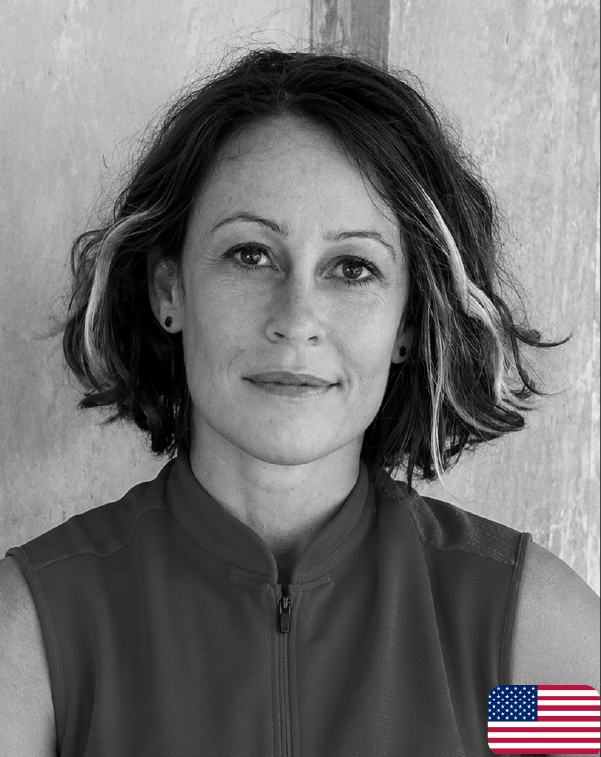
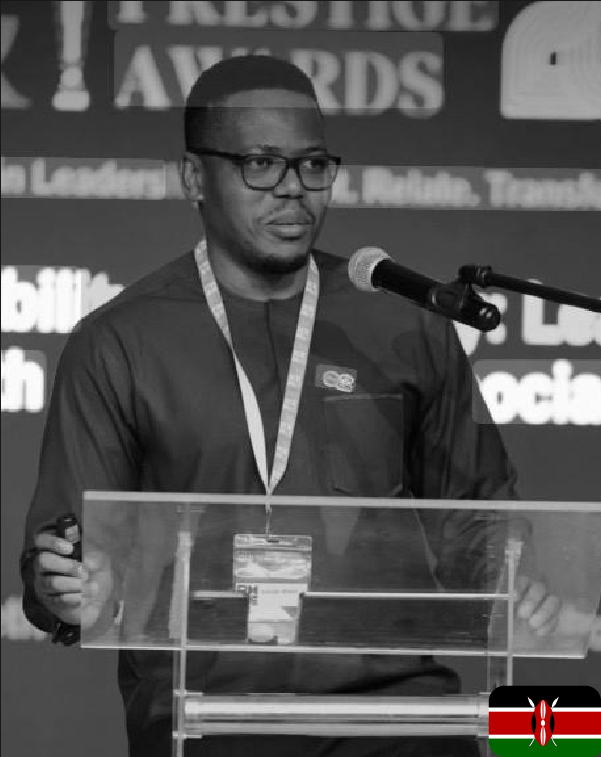
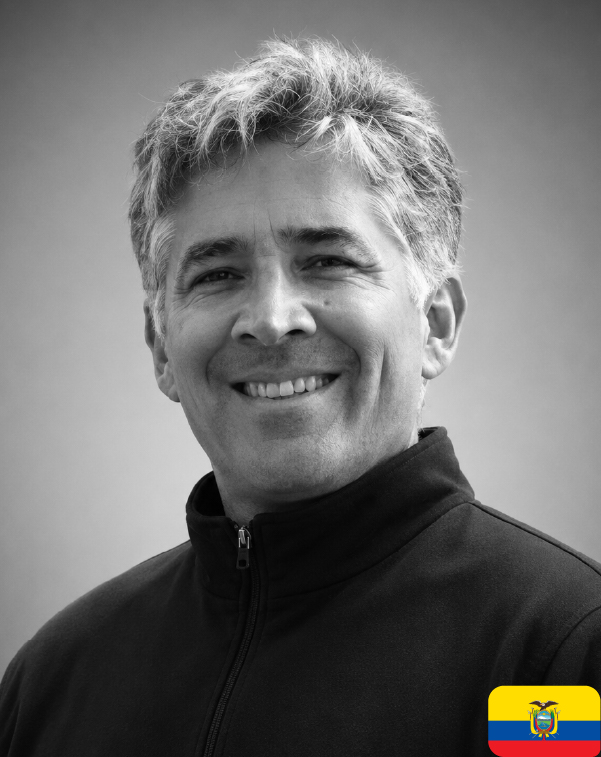
Juan Fernando Durán Ecuadorian naturalist and guide specialized in conservation and sustainable tourism
Scroll